Axewelledge, a leading exporter from India, specializes in high-quality Bentonite. With a commitment to excellence, we supply premium Bentonite to the Middle East and Southeast Asia markets.


North Angle Complex, 304,
150 Feet Ring Rd, Opposite Ambedkar Nagar BRTS Stop,
Madhav Park, Punit Nagar,
Mavdi, Rajkot, Gujarat 360004
© Axewelledge 2026, All Rights Reserved.
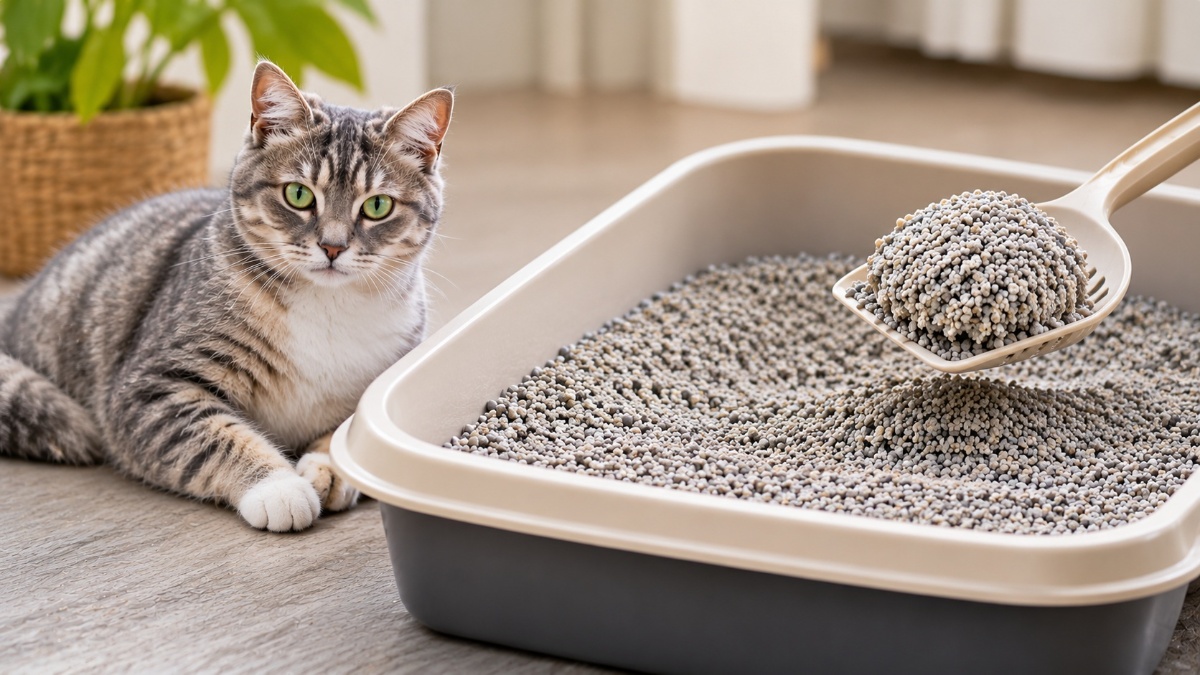
The global pet care industry has grown significantly, creating increasing demand for high-quality cat litter products. Among the different materials used in cat litter manufacturing, bentonite has become a popular choice because of its moisture absorption, clumping ability, and ease of cleaning.
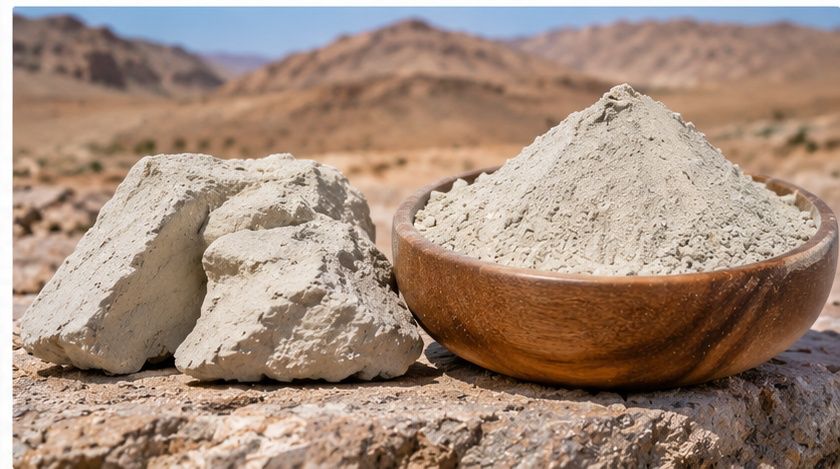
Bentonite cat litter is made from naturally occurring clay that can absorb liquid and, in suitable formulations, form firm clumps when exposed to moisture. These characteristics help cat owners remove used litter while keeping the remaining litter relatively clean.
For cat litter manufacturers, distributors, and private-label brands, selecting the right bentonite grade is essential. Factors such as clumping strength, absorption capacity, dust levels, granule size, and product consistency can influence the final product's performance.
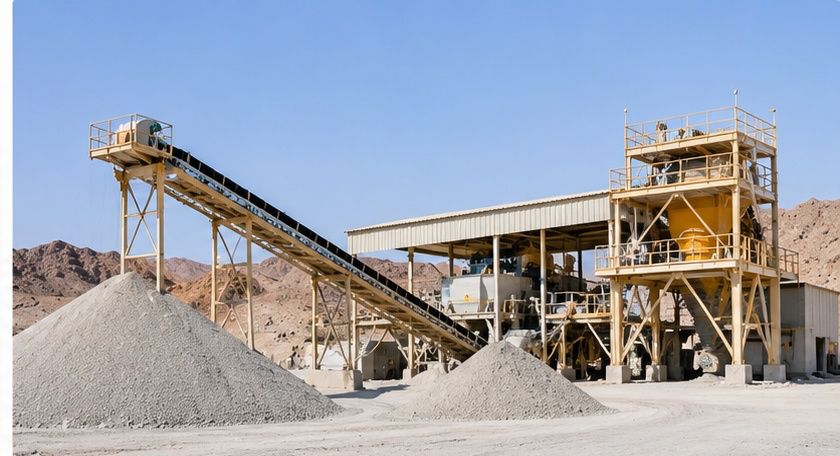
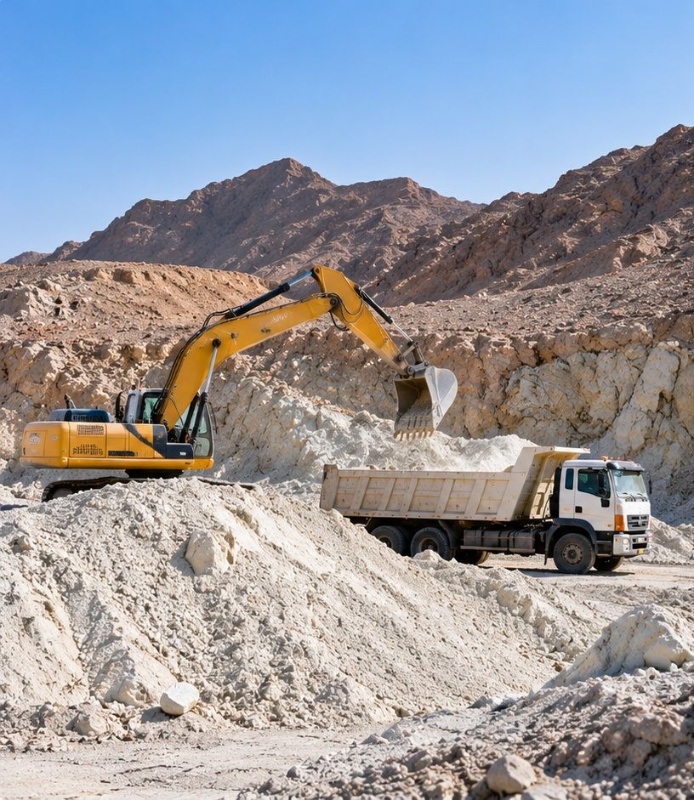
India has established bentonite mining and processing capabilities, making it a potential sourcing destination for cat litter manufacturers and international buyers seeking suitable raw materials.
At Axewelledge, we focus on bentonite supply for industrial and mineral-based applications, helping buyers evaluate product specifications according to their intended use.
Bentonite cat litter is a clay-based absorbent material used in litter trays for domestic cats. It is primarily manufactured from selected bentonite clay that has been processed, dried, crushed, and screened into suitable granule sizes.
The performance of cat litter depends on the characteristics of the raw material and the manufacturing process. Some products are designed to form strong clumps, while others are developed for specific absorption, texture, or cost requirements.
Bentonite cat litter is commonly available in two broad forms:
Clumping Cat Litter
Clumping cat litter is designed to bind together when it comes into contact with urine. This creates a removable clump that can be scooped out of the litter tray.
Non-Clumping Cat Litter
Non-clumping cat litter absorbs moisture without necessarily forming a firm, scoopable clump. It may be selected for applications where absorption and regular replacement are the primary considerations.
The appropriate formulation depends on the target market, customer preferences, manufacturing specifications, and product positioning.
Sodium bentonite is widely associated with clumping cat litter because of its ability to absorb water and swell.
When suitable sodium bentonite comes into contact with liquid, the clay particles absorb moisture and expand. Under the right formulation and granule conditions, this can help the litter form cohesive clumps.
Important characteristics include:
High swelling potential
Moisture absorption
Clump formation
Granule integrity
Potential for repeated use of the unused litter
Suitability for different particle-size formulations
However, not every sodium bentonite deposit produces the same cat litter performance. Mineral composition, processing methods, granule size, moisture content, and other properties can significantly affect the final product.
For manufacturers, laboratory testing and product trials are important steps before approving a raw material for commercial production.
One of the primary functions of cat litter is to absorb liquid efficiently.
Suitable bentonite grades can absorb moisture and help maintain a usable litter tray. The actual absorption performance depends on the mineral characteristics, particle structure, and manufacturing process.
Manufacturers should evaluate absorption using consistent testing procedures to compare different raw material sources.
Clumping ability is an important purchasing factor for many cat litter consumers.
When the litter forms compact clumps, users can remove the soiled material more easily. Strong clumps may also reduce crumbling during scooping and help minimize the amount of unused litter removed during cleaning.
Clump strength depends on several factors, including bentonite quality, granule size, moisture conditions, and the finished product formulation.
Odour management is another important consideration in cat litter production.
Bentonite can help manage moisture, which may contribute to better litter tray hygiene. However, odour-control performance is influenced by the raw material, the litter's moisture retention, cleaning frequency, ventilation, and any additional ingredients.
Some manufacturers incorporate activated carbon, fragrances, or other approved additives into their formulations. These should be evaluated separately rather than assuming that every bentonite grade provides the same odour-control performance.
Clumping bentonite litter can simplify routine litter tray maintenance because used material can be scooped out separately.
This feature is attractive to households that prefer convenient daily cleaning.
The quality of the clumps and the amount of loose material left behind can influence the consumer experience. Consistent granule sizing and suitable raw material selection can therefore be important during product development.
Bentonite can be processed into different granule sizes and finished-product formats.
Manufacturers may develop products for economy, standard, or premium market segments by adjusting particle size, dust-control processes, packaging, and other formulation characteristics.
Any performance claims should be supported by appropriate testing of the finished product.
Cat litter manufacturers should evaluate raw bentonite according to the performance requirements of the final product.
Absorption testing helps determine how much liquid a material can take up under defined conditions. The test method should be consistent when comparing suppliers.
Clumping Strength
For clumping products, the ability to form a firm and cohesive clump is especially important. Testing should consider clump formation, handling, and resistance to crumbling.
Swelling influences how bentonite responds to moisture. However, maximum swelling alone does not guarantee the best cat litter, because the final result also depends on granule structure and other material properties.
Cat litter can be manufactured in different particle-size ranges depending on the intended market.
Common product formats include finer granules and coarser granules. The precise size range should be agreed upon between the manufacturer and raw material supplier.
Excessive dust can negatively affect product handling and the user experience.
Manufacturers may use suitable screening, processing, and dust-reduction methods to control fine particles. Dust levels should be measured using an agreed testing method.
Moisture content affects storage, transportation, handling, and processing. The acceptable range should be defined according to the product specification.
Colour can influence product presentation and market positioning. Natural bentonite shades vary depending on the deposit and mineral composition.
Colour should be evaluated alongside performance rather than used as the only indicator of quality.
Sodium and calcium bentonite have different characteristics that can influence their suitability for cat litter production.
Sodium Bentonite
Sodium bentonite generally has greater swelling capacity and is widely used in clumping cat litter formulations. Its suitability depends on the required clump strength, absorption performance, granule structure, and other product specifications.
Calcium Bentonite
Calcium bentonite generally exhibits lower swelling than sodium bentonite, although its characteristics vary by deposit and processing. Its suitability for a particular cat litter product must be established through testing.
For manufacturers targeting a strong-clumping product, sodium bentonite is often the starting point for raw material evaluation.
Nevertheless, the final decision should be based on verified product performance, not simply on the mineral classification.
Cat litter manufacturers can develop several products using suitable bentonite raw materials.
Designed for everyday use, standard clumping litter focuses on practical absorption, scoopability, and value.
Premium formulations may emphasize clump strength, granule consistency, reduced dust, texture, and other characteristics valued by the target market.
Fine-granule products may be developed for consumers who prefer a finer texture. Dust management and particle consistency are particularly important considerations.
Coarser products may be preferred for particular handling, texture, or product-positioning requirements. Their performance should be evaluated through appropriate absorption and clumping tests.
Some finished cat litter products contain fragrance, while others are sold without added fragrance.
These are finished-product formulation choices. The fragrance system, if used, should be assessed for suitability and compatibility with the intended market.
Dust is an important quality consideration for cat litter manufacturers, distributors, and consumers.
Fine particles can be generated during crushing, granulation, screening, handling, and transportation. The amount of dust in the finished product depends on the raw material and processing conditions.
Manufacturers can evaluate dust-control measures such as:
Appropriate particle-size screening
Controlled granulation and handling
Removal of excess fines
Suitable packaging and transportation practices
Quality checks on finished batches
Claims such as low-dust or dust-reduced should be supported by appropriate testing.
For export buyers, agreeing on an acceptable dust specification before shipment can help reduce misunderstandings and support consistent product quality.
The manufacturing process can vary depending on the source material and the type of finished cat litter being produced.
A typical processing sequence may include the following stages.
Step 1: Raw Material Selection
Bentonite is selected according to its mineral composition, swelling characteristics, and suitability for the intended cat litter formulation.
Step 2: Crushing and Size Reduction
The raw material is reduced to a suitable size for further processing.
Step 3: Drying
Where necessary, the material is dried to achieve the moisture level required for processing and finished-product performance.
Step 4: Granulation or Size Classification
The material is processed or screened to obtain the required granule-size distribution.
Step 5: Dust Reduction
Excessive fine particles may be removed through suitable screening and processing methods.
Step 6: Quality Testing
The material is checked against the agreed specification. Depending on the product, tests may include moisture, granule size, dust content, absorption, and clumping performance.
Step 7: Packaging
The finished material is packed in bags or bulk packaging according to the customer's requirements and intended distribution channel.
The exact process may differ between manufacturers. Not every cat litter product requires identical processing steps.
Packaging is an important part of the cat litter supply chain because it affects storage, product protection, transportation, branding, and retail presentation.
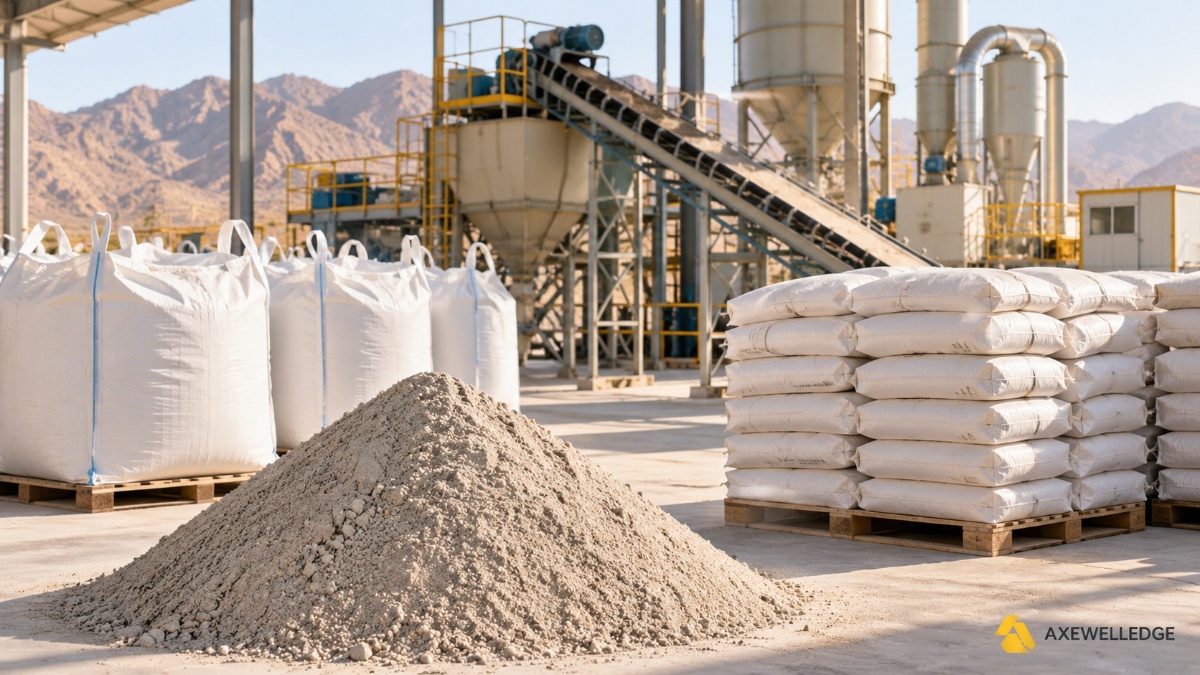
Bulk packaging may be suitable for manufacturers that purchase bentonite as a raw material and process it at their own facilities.
Depending on customer requirements, options may include suitable bulk bags or other industrial packaging formats.
Industrial bags can be suitable for manufacturers, wholesalers, and distributors that require larger quantities for further processing or repacking.
Finished cat litter may be packed in consumer-oriented bags, often in sizes selected for the target market.
Retail packaging can include product branding, usage instructions, net weight, storage information, and applicable safety or regulatory information.
Some manufacturers and suppliers offer arrangements in which the finished product is packed under a buyer's own brand.
Private-label requirements should be confirmed in advance, including artwork, bag material, packaging quantity, labelling rules, and minimum order quantities.
For international shipments, the buyer and supplier should also confirm packaging strength, moisture protection, palletization where applicable, and the requirements of the destination market.
Demand for cat litter is connected to pet ownership, consumer preferences, retail distribution, and the development of pet care products.
Bentonite-based cat litter is an established product category in many markets, particularly where consumers value clumping performance and convenient cleaning.
Potential customers across the supply chain include:
Cat litter manufacturers
Pet product wholesalers
Importers and distributors
Private-label brands
Retail chains and online pet supply businesses
Companies supplying finished pet care products
Different markets may prefer different product characteristics, packaging formats, and price points.
For exporters, it is important to understand whether the buyer requires raw bentonite for local manufacturing or finished cat litter ready for retail distribution.
These are different supply requirements and may involve different processing capabilities, packaging arrangements, quality documentation, and commercial terms.
Exporters should also confirm the applicable import rules, customs classification, labelling requirements, and any relevant product-safety obligations in the destination country.
India has established bentonite mining and processing activity, particularly in Gujarat and Rajasthan.
The availability of bentonite from these regions provides sourcing opportunities for manufacturers evaluating clay-based absorbent materials.
However, not all Indian bentonite is suitable for cat litter production. Raw materials must be assessed for their mineral properties, processing characteristics, dust levels, absorption performance, and clumping behaviour.
For cat litter manufacturers, the key question is whether a particular grade meets the required finished-product specifications.
A structured supplier evaluation may include:
Reviewing the technical data sheet
Requesting representative samples
Conducting laboratory tests
Running production trials
Confirming granule-size requirements
Reviewing packaging and shipment capabilities
Agreeing on quality parameters before placing an order
This process helps buyers select materials based on performance rather than origin alone.
Selecting the right supplier is an important step for businesses planning regular production or export distribution.
Check Product Specifications
Request a product-specific TDS and confirm that the material has been evaluated for the intended cat litter application.
Evaluate Sample Performance
Samples should be tested for absorption, clumping, dust, granule size, and other agreed parameters.
Confirm Consistency
For repeat orders, discuss batch consistency, quality-control procedures, and how the supplier handles material that does not meet the agreed specification.
Discuss Packaging Requirements
Confirm the required bag size, bulk format, packaging material, labelling, and loading arrangement.
Review Export Documentation
Ensure that commercial documents and any required product or regulatory documentation can be provided for the destination market.
Establish Clear Commercial Terms
Buyers and suppliers should agree on quantity, product specification, packaging, shipment schedule, payment terms, and the process for handling quality concerns.
A reliable sourcing relationship is built on clear specifications, transparent communication, and consistent product performance.
At Axewelledge, we recognize that bentonite requirements vary across industrial applications.
Cat litter manufacturers need to evaluate specific properties such as swelling, absorption, clumping strength, granule size, and dust content. These parameters should be discussed and tested before a raw material is approved for production.
Our approach is to understand the buyer's requirements and coordinate product discussions around the intended application, technical specifications, packaging preferences, and supply needs.
For businesses interested in sourcing bentonite for cat litter manufacturing, the first step is to identify the required product characteristics and confirm them through representative samples and appropriate testing.
We believe that long-term business relationships depend on clear communication, practical technical information, and a shared understanding of quality expectations.
Bentonite plays an important role in the cat litter industry because of its moisture absorption, swelling, and potential clumping characteristics.
Sodium bentonite is widely used in clumping cat litter, but the performance of the finished product depends on much more than the raw material category. Granule size, dust content, processing, moisture, and formulation all contribute to product quality.
For manufacturers and exporters, selecting the right raw material requires careful evaluation, technical testing, and clear communication with suppliers.
India offers opportunities for bentonite sourcing, but each grade should be assessed against the buyer's requirements before commercial production or shipment.
At Axewelledge, we aim to support buyers in evaluating bentonite supply options according to their product specifications and business requirements.
Looking for Bentonite for Cat Litter Manufacturing?
Contact Axewelledge to discuss your required grade, technical parameters, packaging preferences, and export requirements. Product suitability can be assessed through specifications, samples, and appropriate performance testing.





Have questions about our products? We're here to help!