Axewelledge, a leading exporter from India, specializes in high-quality Bentonite. With a commitment to excellence, we supply premium Bentonite to the Middle East and Southeast Asia markets.


North Angle Complex, 304,
150 Feet Ring Rd, Opposite Ambedkar Nagar BRTS Stop,
Madhav Park, Punit Nagar,
Mavdi, Rajkot, Gujarat 360004
© Axewelledge 2026, All Rights Reserved.
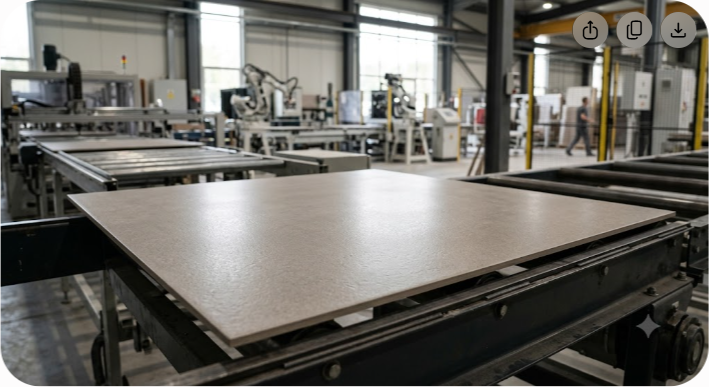
The difference between a standard tile and one that commands attention in a high-end architectural project often comes down to the chemistry of the surface. You know exactly what I mean if you have spent time on a production line. A tile can have the perfect body, the right structural integrity, and impeccable sizing, but if the glaze fails—if it crazes, pinholes, or lacks the desired sheen—the entire effort falls flat. Achieving that elusive combination of industrial-grade durability and a premium finish is the primary challenge for any serious manufacturer. It is a balancing act of heat, chemical composition, and precise application.
At the heart of the surface lie two primary players: glazes and frits. While we often speak of them together, they serve distinct, synergistic roles. Think of the frit as the engineered foundation of your glaze. Because raw materials like silica, alumina, and various fluxes react differently under kiln conditions, pre-melting these into glass—fritting—allows us to stabilize the chemistry. When you start with a high-quality frit, you are already halfway to success.
In the U.S. market, expectations for tile performance are incredibly high. Whether you are supplying for commercial flooring that deals with heavy foot traffic or high-end residential wall tiles that need to resist chemical staining, the glaze must be robust. It needs to withstand mechanical wear while retaining its aesthetic brilliance.
If you have ever dealt with inconsistent surface finishes, you know that even a tiny fluctuation in the kiln temperature or the batch composition can ruin a run. This is why the quality of your frit is non-negotiable. Modern manufacturing requires consistency that only advanced R&D can provide.
When we talk about durability, we are looking at a few key factors: thermal expansion, chemical resistance, and surface hardness. If the thermal expansion coefficient of your glaze does not match the clay body of the tile, you are inviting trouble. This leads to crazing—those tiny, spiderweb cracks that compromise both looks and hygiene. A properly formulated frit manages this coefficient, ensuring the glaze stays bonded tight through the cooling phase.
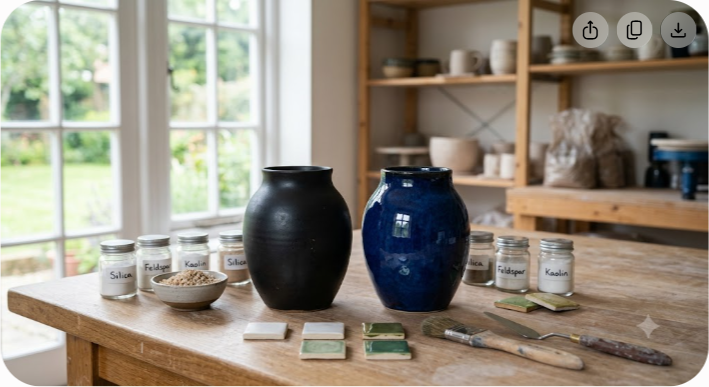
There is a constant push-pull between designers wanting a soft, tactile matte finish and the technical requirement for a surface that does not hold dirt. Matte glazes are notoriously difficult. You want that velvet-like feel, but you also need a surface that wipes clean.
This is where specialized frits come into play. By controlling the crystallization process during cooling, you can achieve a matte appearance without creating an open, porous structure that absorbs oil and grime. It is an art form supported by precise mineral engineering. Similarly, for gloss finishes, the focus shifts to transparency and bubble-free fusion. A high-clarity frit allows the digital print beneath to shine through with depth and vibrancy, elevating the perceived value of the tile significantly.
Sometimes, you need to hide the body of the tile completely. Whether you are using a darker, more cost-effective clay body or looking to create a bright, solid-colored surface, opaque compounds are your best friend. Zirconium-based opacifiers have long been the gold standard here, providing that bright, clean white base that makes colors pop.
Do not overlook the importance of the engobe layer. Applied between the body and the glaze, it acts as a bridge. It smooths out surface imperfections in the pressed tile, prevents gas release from the body from bubbling through the glaze, and helps in matching the thermal expansion. When you get the engobe right, you see an immediate improvement in the yield rate of your production line. It is a subtle layer, but it is effectively the hidden hero of tile quality.
In your facility, efficiency is the name of the game. You want a glaze that matures within the firing cycle of your current kilns, not one that forces you to slow down the line. We see many manufacturers struggle because they are working with generic materials that do not accommodate their specific kiln curves.
Customizing your glaze formulation—adjusting the viscosity to ensure it levels out perfectly before it sets—saves an incredible amount of rework. When the glaze flows correctly, you get fewer pinholes, less orange-peel effect, and a smoother texture that feels expensive to the touch. This is not just about making the product look good; it is about reducing waste and energy consumption. If you can get a perfect finish on the first pass, your margins look very different at the end of the month.
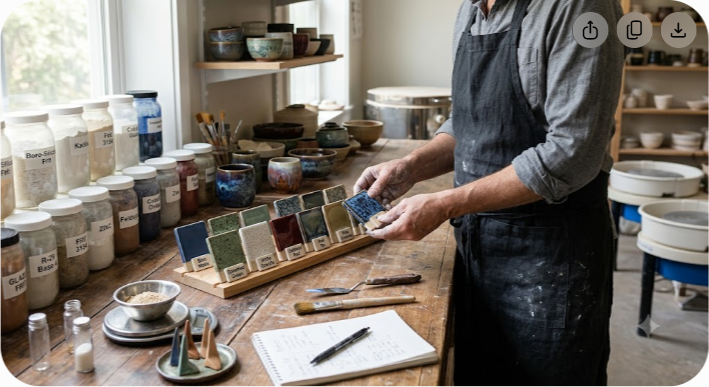
If you find yourself chasing defects, start with the basics. Are you seeing pinholes? That is often a sign of insufficient degassing before the glaze seals. You might need to adjust your firing ramp or look at the binder package in your glaze slip. Are you seeing variations in shade? That frequently points to an inconsistency in the suspension or the raw material sizing.
Keep a strict log of every batch. Small adjustments in particle size distribution within your frit can drastically change how the glaze reacts during firing. We have found that even subtle changes in the mineral purity of the base components can shift the entire aesthetic profile of a production run.
Sustainability is no longer a buzzword; it is a manufacturing reality. Fortunately, high-quality frits and glazes can contribute to a more sustainable process. By creating surfaces that are more durable and easier to clean, you are effectively extending the life cycle of the product. And by optimizing the chemistry to fire at lower temperatures or over shorter cycles, you are directly reducing the carbon footprint of your facility.
It is an exciting time to be in the ceramic industry. We are seeing a move toward larger format tiles and textures that mimic natural stone or wood with uncanny accuracy. This requires a level of precision in glazing that was not possible a decade ago. It is not just about painting a surface anymore; it is about engineering a multi-layered structure that can handle everything from a high-traffic commercial lobby to a steam-filled residential bathroom.
Your reputation is built on the tiles that leave your factory floor. When a customer installs your product, they expect it to look as good five years from now as it does the day they pull it out of the box. That longevity is the result of thousands of small decisions: the choice of frit, the thickness of the engobe application, and the tuning of the glaze chemistry.
At Axewelledge, we see these challenges every day. We have spent years refining our understanding of how these minerals interact, from the initial mining of raw materials to the final, high-performance product delivered to your door. It is about understanding that while the tile is a simple object, the science that makes it work is complex, fascinating, and absolutely critical to your success.
Take the time to test, to iterate, and to push the boundaries of what your equipment can do. When you pair a great team with the right raw materials, the results speak for themselves. You are not just selling a piece of ceramic; you are selling a surface that will be a part of someone's home or workspace for years to come. That is a responsibility worth getting right, every single time.
Are you looking to optimize your current glaze performance or explore new finishes for your upcoming collection? We would love to discuss how our mineral solutions can support your production goals. Reach out to the Axewelledge team to learn more about how we can help you achieve that next level of quality.













Have questions about our products? We're here to help!