Axewelledge, a leading exporter from India, specializes in high-quality Bentonite. With a commitment to excellence, we supply premium Bentonite to the Middle East and Southeast Asia markets.


North Angle Complex, 304,
150 Feet Ring Rd, Opposite Ambedkar Nagar BRTS Stop,
Madhav Park, Punit Nagar,
Mavdi, Rajkot, Gujarat 360004
© Axewelledge 2026, All Rights Reserved.
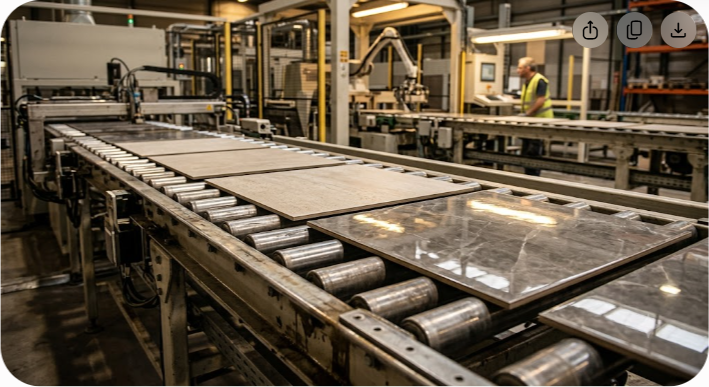
If you have ever walked through a commercial building or a modern residential home and admired the flawless, mirror-like shine or the sophisticated matte texture of a high-end ceramic tile, you are looking at the result of precise chemical engineering. Making tiles isn't just about pressing clay and running it through a high-temperature kiln. The real magic happens on the surface. That protective, beautiful outer layer relies heavily on the quality of the ceramic glazes and frits applied before firing.
For tile manufacturers striving to reduce pinholing, crazing, and surface inconsistencies, getting the glaze matrix right is an ongoing priority. At Axewelledge, we spend a lot of time working with production managers and quality control teams who grapple with these exact variables every day. When you scale production up to thousands of square meters a day, even a minor variation in raw material composition can lead to costly batch rejections. Let us look closely at how upgrading your frits, glazes, and angobe compounds can transform your tile production line.
Before a glaze can perform on a tile body, it usually starts as a frit. Raw, un-melted batch materials like silica, feldspar, and various fluxes can be unpredictable. If you put them straight onto a green body, they might release gases unevenly, react poorly during rapid firing cycles, or fail to bond cleanly with the biscuit.
Fritting solves this problem by pre-melting raw materials into glass cullets and then quenching them rapidly. This process locks soluble compounds into an insoluble glass matrix, eliminates toxic components like raw lead or soluble salts, and homogenizes the chemical composition. When you work with consistent frits, your kiln behavior becomes predictable. You get a stable melting point, uniform viscosity, and a predictable thermal expansion coefficient.
Think of the frit as the architectural skeleton of your glaze. If the skeleton is weak or inconsistent, the final finish will suffer. Manufacturers often notice a sharp drop in surface defects once they switch to engineered frits designed to match their specific body expansion coefficients.
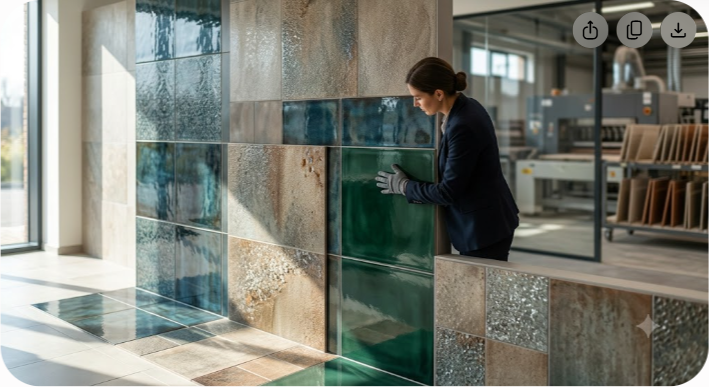
The market dictates trends, and consumer preferences fluctuate between ultra-glossy reflections and understated, tactile matte surfaces. Achieving these distinct visual styles without compromising the mechanical integrity of the tile requires specialized formulations.
Transparent frits act like a pristine window over your digital print or engobe layer. They need to be crystal clear, free of micro-bubbles, and hard enough to resist everyday abrasion. A great transparent frit enhances color depth, making inkjet designs pop with vivid clarity. If your transparent glaze develops haze or devitrifies in the kiln, the entire visual appeal of the tile is compromised.
On the flip side, matte frits are notoriously tricky to formulate. Creating a controlled, micro-crystalline surface that scatters light evenly without turning rough, abrasive, or prone to staining requires precise phase separation during cooling. Senior designers often tell us that finding that exact sweet spot between a silky touch and chemical stain resistance is their biggest hurdle. High-performance matte frits achieve this balance by precipitating specific crystal phases within the glass matrix during the cooling cycle of the roller hearth kiln.
While the top glaze layer gets all the visual glory, what lies underneath matters just as much. Angobes (or slips) act as an intermediate bridge between the raw clay body and the outer glaze. They mask the dark or variable color of the underlying biscuit, provide a smooth canvas for printing, and prevent undesirable chemical interactions between the body and the glaze.
If your angobe lacks proper bonding strength, you will see peeling or crawling during firing. Quality control heads frequently emphasize that a robust angobe layer is your first line of defense against thermal shock and edge chipping. By incorporating specialized opaque compounds and mineral modifiers into the slip, manufacturers can achieve superior opacity even at lower thicknesses, saving on material costs while boosting overall impact resistance.
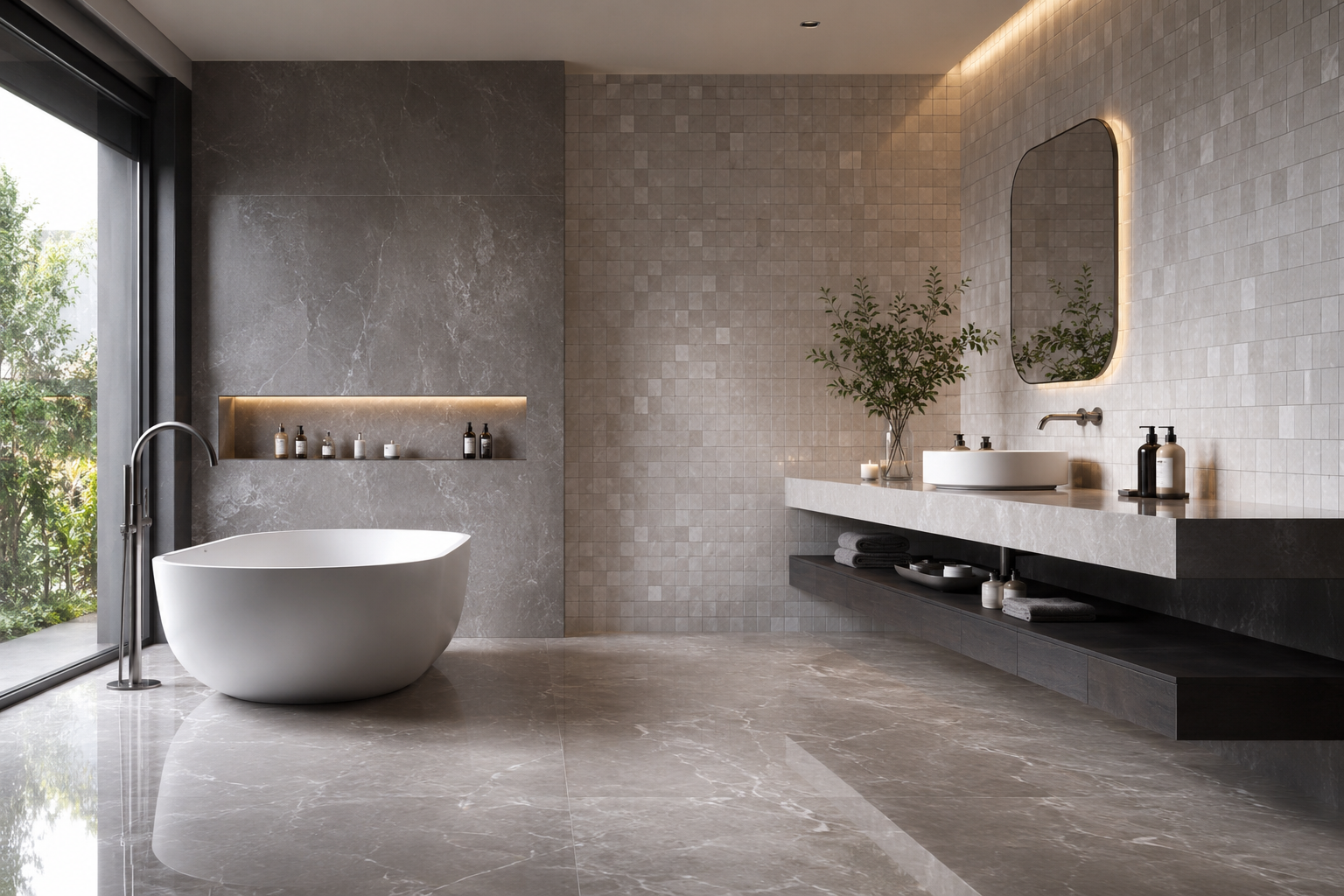
Every minute a tile spends in the kiln costs energy, and every rejected tile cuts straight into your profit margin. Glaze-body fit is the single most important factor in preventing long-term defects like crazing (fine surface cracks appearing months after manufacturing) and shvering (where the glaze flakes off the edges due to compressive stress).
When your frits and glazes have a thermal expansion coefficient that harmonizes perfectly with the body, the tile withstands the brutal heating and cooling cycles of modern fast-fire kilns. Modern roller hearth kilns often fire tiles in under an hour. That means the glaze must melt, mature, and solidify in a matter of minutes. Traditional glazes simply cannot keep up with such rapid thermal transitions. High-performance frits are engineered specifically to mature rapidly at lower temperatures, reducing energy consumption while maintaining superior surface hardness.
If you want to elevate your tile manufacturing quality without overhauling your entire plant, start by auditing your raw material touchpoints. Here are a few practical steps you can implement on the shop floor:
The ceramic tile industry is more competitive than ever. Consumers demand floors and walls that look stunning on installation day and withstand heavy foot traffic, harsh cleaning chemicals, and weathering for decades. By focusing on the microscopic chemistry of your frits, glazes, and angobe layers, you can eliminate frustrating production defects, lower your energy costs through optimized firing ranges, and deliver a product that stands out in a crowded market. Excellence in tile production isn't an accident; it is the predictable outcome of using the right materials and keeping a close eye on every step of the manufacturing process.













Have questions about our products? We're here to help!