Axewelledge, a leading exporter from India, specializes in high-quality Bentonite. With a commitment to excellence, we supply premium Bentonite to the Middle East and Southeast Asia markets.


North Angle Complex, 304,
150 Feet Ring Rd, Opposite Ambedkar Nagar BRTS Stop,
Madhav Park, Punit Nagar,
Mavdi, Rajkot, Gujarat 360004
© Axewelledge 2026, All Rights Reserved.
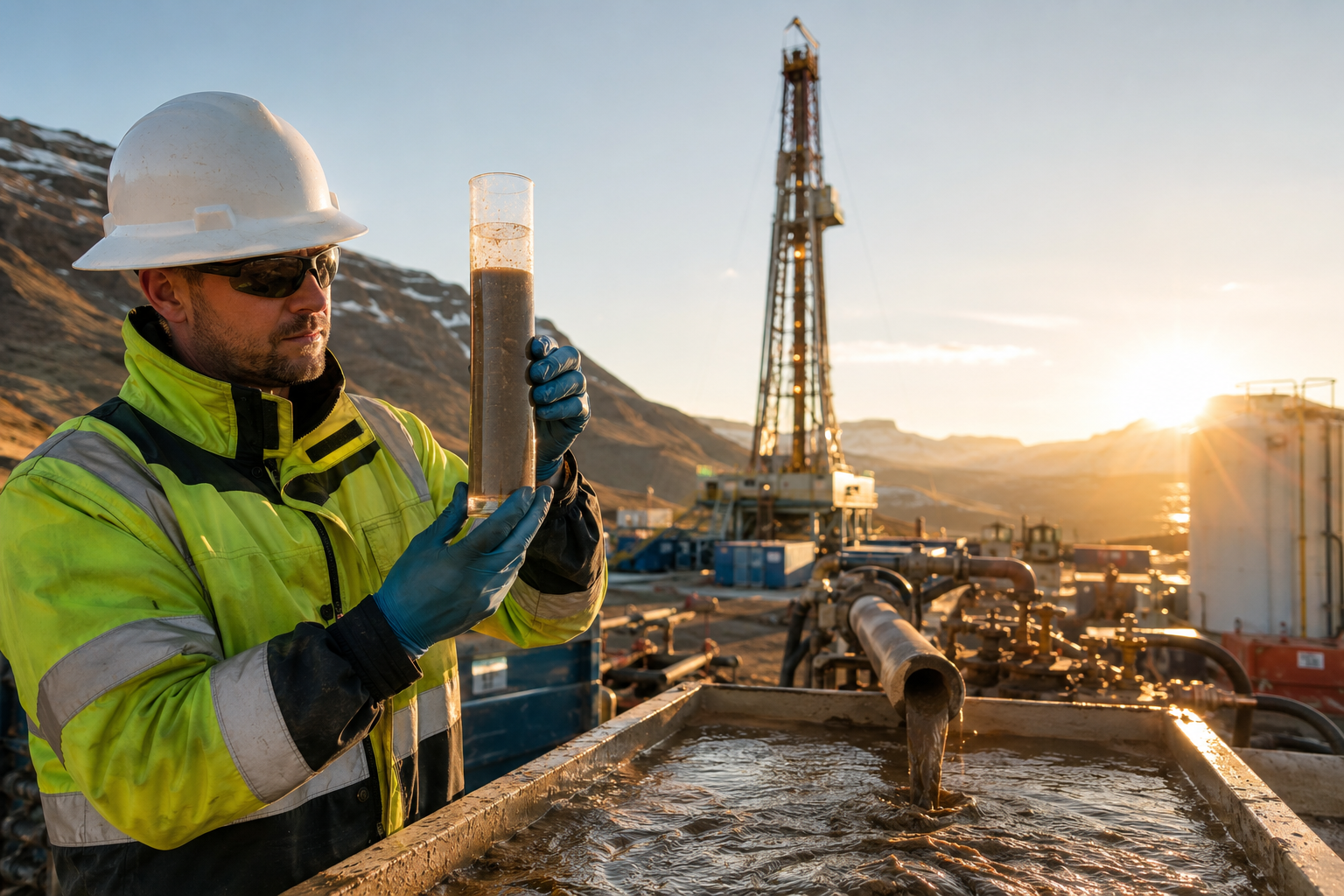
Deep beneath our feet lies a vast reservoir of clean energy waiting to be harnessed. Geothermal drilling is a demanding process, pushing equipment and materials to their limits as they penetrate hot, abrasive, and often unstable rock formations. When managing a drilling project that needs to hit specific targets deep underground, the success of your operation relies heavily on the drilling fluid. That is where bentonite comes in.
At Axewelledge, we have spent years refining how high-quality bentonite functions in some of the world's most challenging geological conditions. It is not just about having a mud mixture that flows; it is about engineering a fluid that acts as the lifeblood of your drilling operation.
Think of the drilling fluid, often called mud, as much more than a simple lubricant. It performs a balancing act while the drill bit grinds through stone. It must carry cuttings to the surface, cool the drill bit, exert pressure to keep the borehole from collapsing, and minimize fluid loss into the surrounding rock. If your fluid fails, the entire project stalls. Costs skyrocket. Time is lost.
Bentonite, a naturally occurring clay mineral, is the secret ingredient that transforms basic water into a powerful, multi-functional tool. When you mix sodium bentonite with water, it hydrates and swells, forming a gel-like suspension. This process is crucial for maintaining the right rheological properties—the way the fluid flows and resists movement—to keep the drilling bit moving efficiently.
One of the most persistent problems in geothermal drilling is borehole instability. Because geothermal wells are often drilled in fractured or unconsolidated rock, they are prone to collapse. Bentonite helps solve this by forming a 'filter cake' or 'wall cake' on the borehole wall.
As the fluid circulates, the fine bentonite particles are pressed against the porous rock faces. This creates a thin, impermeable, and tough layer that prevents the drilling fluid from bleeding into the formation. By sealing these pores, the fluid maintains a consistent pressure gradient. This effectively props up the walls of the hole, stopping small fractures from becoming major structural failures. It is like lining the inside of the well with a flexible, protective film.
In a geothermal well, you are dealing with varying depths and temperatures. You need a fluid that is thin enough to be pumped down the drill pipe but thick enough to lift heavy rock cuttings all the way back to the surface.
Bentonite provides excellent thixotropic properties. This means the fluid becomes thinner when it is being pumped and thicker when the pump stops. When you pull the drill string out or pause drilling, you do not want the rock cuttings you have just dislodged to sink back to the bottom of the hole. That would bury your drill bit and cause a stuck-pipe incident. Because of its gel strength, high-quality bentonite ensures the cuttings remain suspended in the fluid until they can be flushed out at the surface. It gives you peace of mind during those inevitable pauses in the drilling cycle.
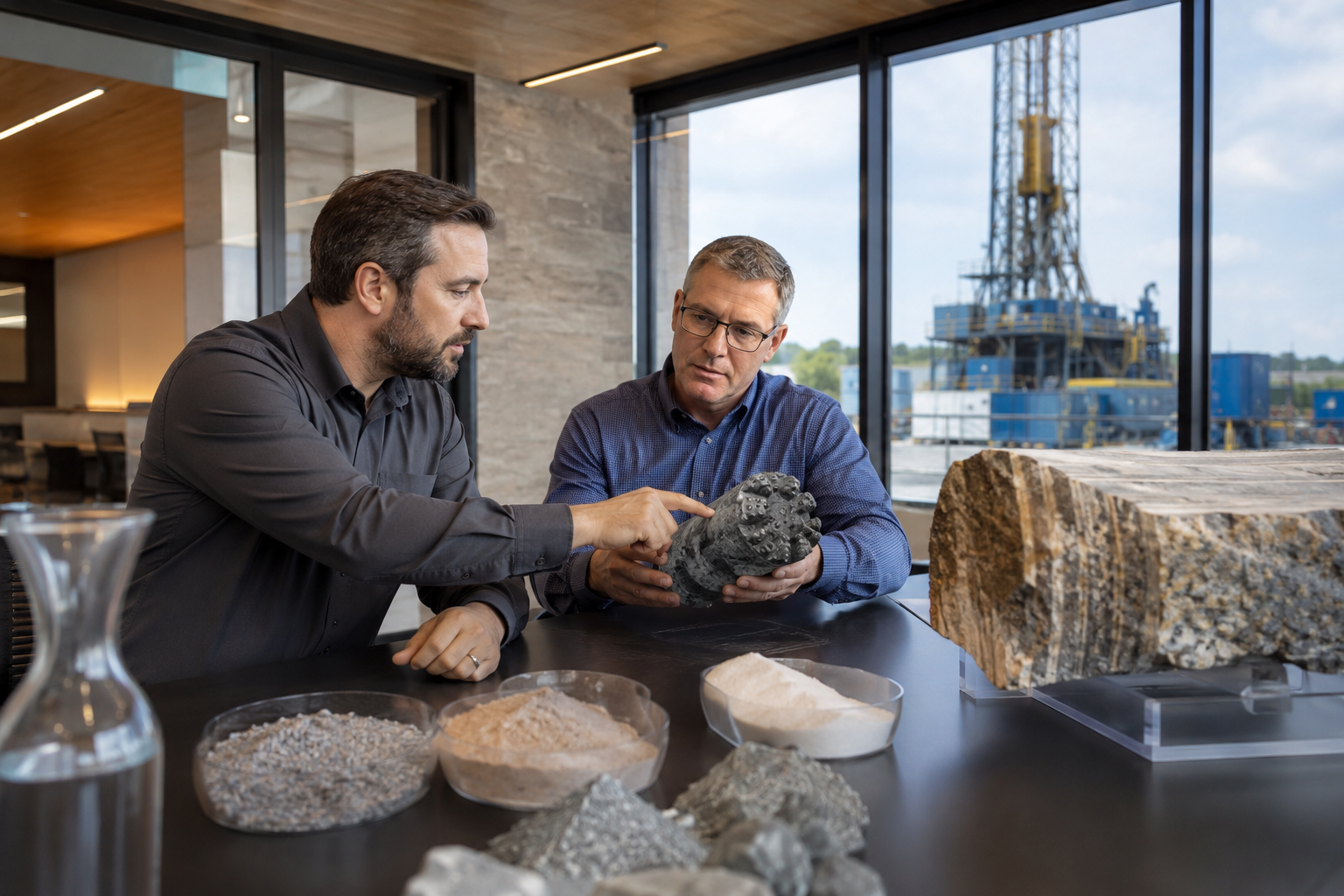
Geothermal environments are notoriously hot. Many standard drilling additives break down or lose their effectiveness as temperatures rise. This is a critical area where mineral purity matters.
Standard clays might lose their ability to swell or suspend cuttings when they encounter extreme heat. However, superior sodium bentonite, when processed correctly, maintains its integrity even under elevated temperatures. It resists thermal degradation, ensuring your fluid properties remain stable from the surface all the way down to the geothermal reservoir. This stability is why sourcing bentonite from mines with verified, high-quality mineral reserves is essential for geothermal operators who cannot afford fluid failure at depth.
When a drill bit meets the face of a rock, it produces immense friction and heat. A bentonite-rich drilling mud serves as an excellent coolant. It draws heat away from the bit and transports it to the surface, protecting your equipment from overheating.
Furthermore, the lubricity provided by a well-balanced bentonite suspension reduces the torque and drag on your drill string. When there is less resistance, you can drill faster and reduce the wear and tear on your downhole tools. You might think of it as using oil in an engine—it just lets everything work the way it was designed to, without the unnecessary stress.
Every driller dreads 'lost circulation'—the moment when your expensive drilling fluid starts leaking into a fractured formation instead of returning to the surface. It is effectively pouring money into the ground.
Bentonite is your primary defense against this. Because it swells significantly upon contact with water, it can plug small cracks and fissures in the rock. By adjusting the concentration of your bentonite mixture, you can create a sealing effect that plugs these pathways. It is a proactive way to maintain your fluid circulation and keep your operation profitable.
Not all bentonite is created equal. There are different grades, and the chemistry of your local water supply, the specific rock formations, and the temperature profile of the well all dictate what you need.
Sodium bentonite is the industry standard for drilling because of its high swelling capacity. However, you should look for consistency. A supplier that controls the mining process—from extraction to refining—can ensure that every batch meets the same quality standards. Whether you are working on a small-scale geothermal heat pump installation or a massive deep-well power plant, the consistency of your drilling fluid additives is non-negotiable.
In modern energy projects, you are under a microscope regarding environmental impact. Geothermal energy is marketed as a green, sustainable power source. Your drilling fluids should align with that mission. Bentonite is a naturally occurring mineral. It is essentially clay. Using a natural product like bentonite is generally safer for the environment than synthetic chemical additives that might contain harsh polymers or toxic surfactants. When you manage your waste fluids properly, bentonite-based systems are quite manageable and compliant with strict environmental regulations.
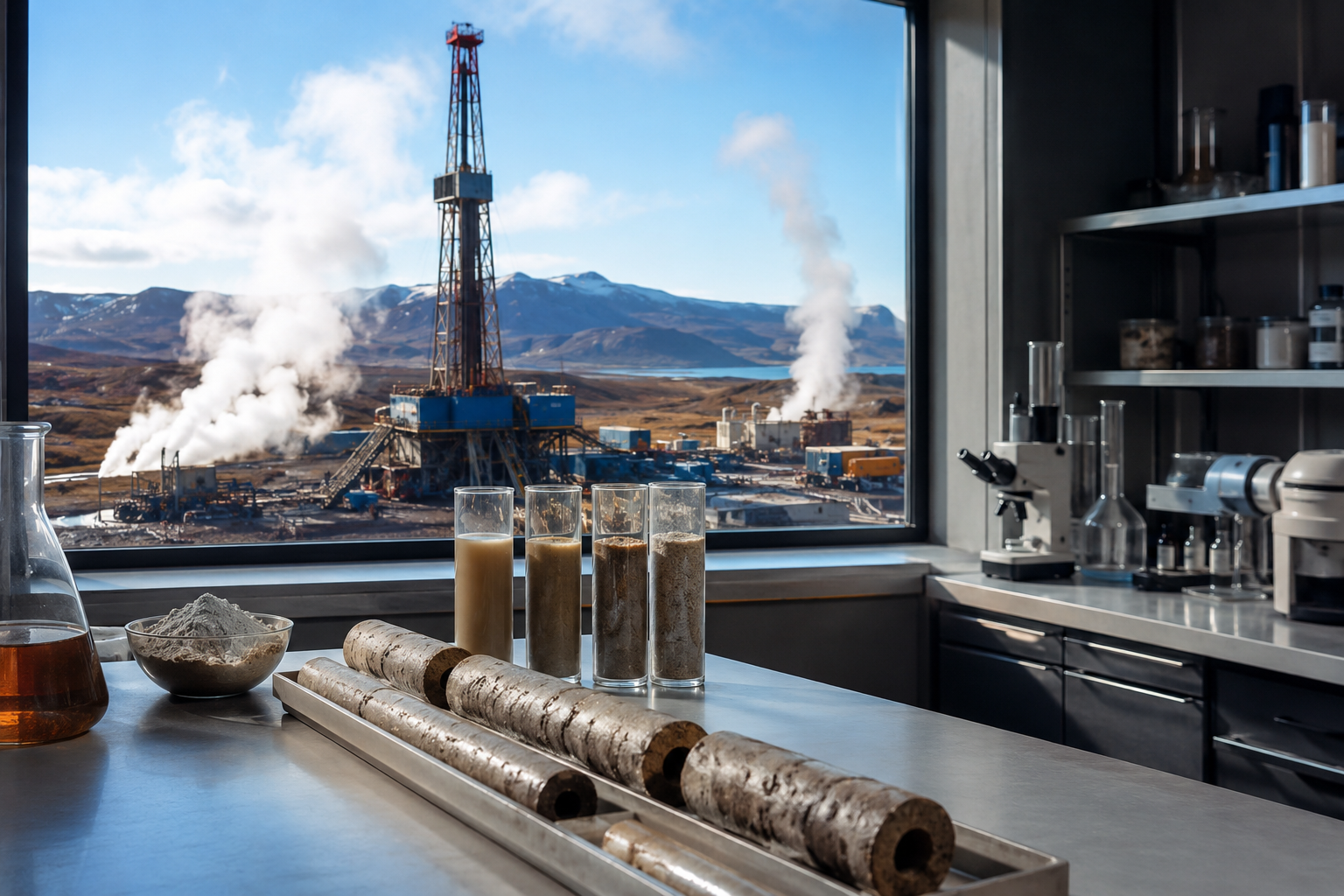
If you want the best performance from your bentonite, you have to mix it right.
As the world transitions toward cleaner energy, geothermal is becoming a cornerstone of the grid. But we are moving into more difficult territory—drilling deeper, in harder rock, and in areas with more complex geology. The demand for high-performance drilling fluids will only increase.
Advancements in the refining of bentonite are making it possible to use these clays in environments that were previously considered impossible. We are seeing better particle size control, enhanced swelling capabilities, and more robust thermal resistance.
When you are dealing with multi-million dollar projects, you want a partner who understands the material, not just a vendor who moves boxes. At Axewelledge, we see our role as part of your team. Our background in mining and processing gives us a unique perspective on the quality of the product you are getting. We know that a minor variance in mineral composition can lead to a significant difference in how your drilling mud performs at 3,000 meters deep.
We do not just supply bentonite; we supply the performance reliability that geothermal drilling demands. Our commitment to high-quality extraction and precise processing means you get a consistent product every single time. That consistency is what keeps your operation running, reduces your downtime, and ultimately saves you money.
Rheology sounds like a complex term, but it is simply the science of flow. For a geothermal driller, it is everything. You are managing the shear stress and shear rate of your fluid. You want low viscosity at the drill bit so you can drill fast, but you need high viscosity in the annulus (the space between the drill pipe and the well wall) to move the cuttings upward.
Bentonite is unique because it is a shear-thinning fluid. When you increase the pump pressure to push the fluid through the small nozzles of your drill bit, it thins out. As soon as it hits the larger space of the annulus, the pressure drops, and it thickens back up. This dual personality is why it is the gold standard in the industry. It is the perfect physical match for the requirements of a drilling circuit.
Sometimes, you will encounter formations that introduce contaminants into your fluid. Anhydrite or gypsum, for instance, can introduce calcium ions that cause the bentonite to flocculate, or clump together. This ruins your fluid properties.
If you find your viscosity dropping or your mud starting to look grainy, it is likely a contamination issue. Experienced drillers keep a stock of treatment chemicals on hand to counteract these ions. However, starting with a high-grade, pure bentonite gives you a better baseline, making it easier to manage these upsets when they happen.
Your geothermal drilling project is a complex machine. Every part—from the bit to the pump to the drilling mud—has to work in harmony. Bentonite is the thread that holds it all together. It is a humble mineral, but without it, the modern drilling industry would be far less efficient.
By focusing on the basics—proper mixing, quality selection, and regular testing—you can avoid the common pitfalls that plague geothermal projects. When you choose to use high-quality materials, you are not just buying a product; you are investing in the longevity of your borehole and the speed of your project.
We have seen how proper mineral selection changes the trajectory of a drilling project. It is not just about getting the hole finished; it is about doing it safely, effectively, and sustainably. If you are currently planning your next geothermal venture, take the time to evaluate your drilling fluid strategy. It is often the single biggest factor you can control to influence your outcome. We are here to help you get that balance right, ensuring your next drill goes as smoothly as possible. Your success is the best measure of our performance, and we take that responsibility seriously. Always remember to check your mud parameters as the first step when you notice any change in drilling speed. Stay curious about your geology, keep your fluids clean, and the ground will yield to your efforts.













Have questions about our products? We're here to help!