Axewelledge, a leading exporter from India, specializes in high-quality Bentonite. With a commitment to excellence, we supply premium Bentonite to the Middle East and Southeast Asia markets.


North Angle Complex, 304,
150 Feet Ring Rd, Opposite Ambedkar Nagar BRTS Stop,
Madhav Park, Punit Nagar,
Mavdi, Rajkot, Gujarat 360004
© Axewelledge 2026, All Rights Reserved.
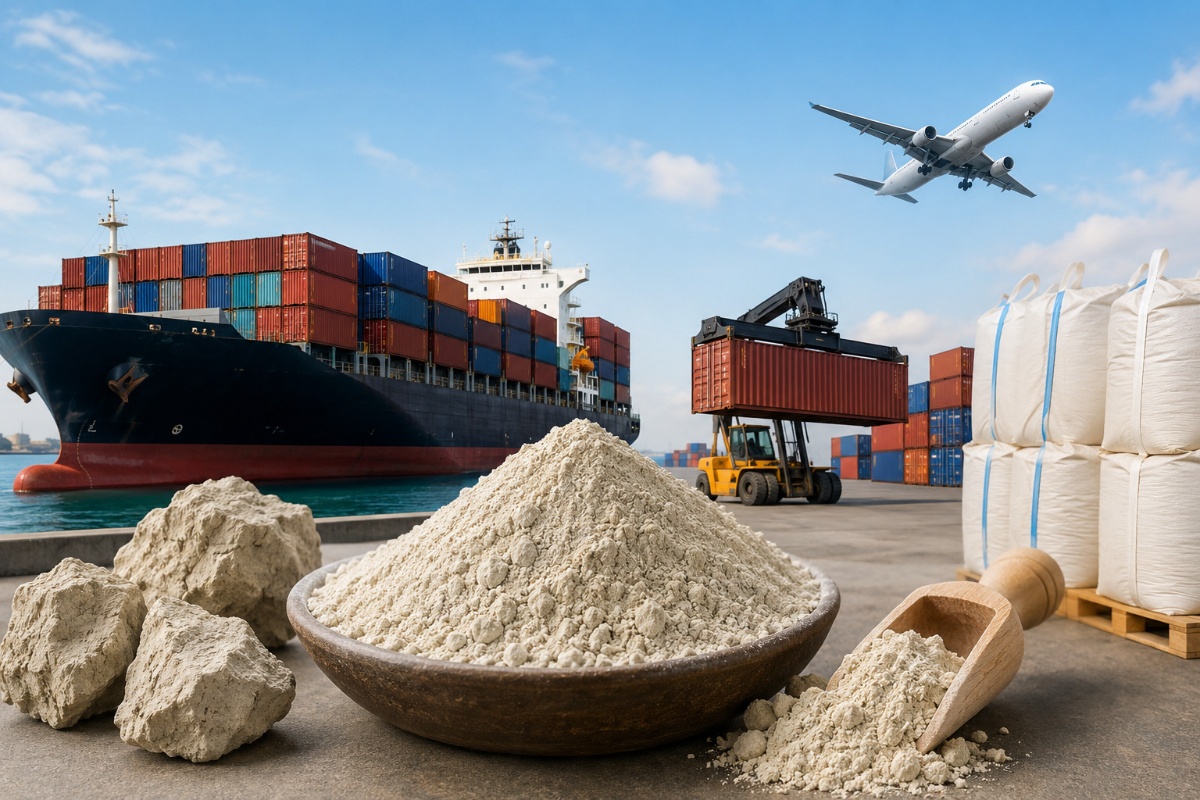
Saudi Arabia is one of the largest consumers of bentonite in the Middle East, with demand coming from industries such as oil drilling, foundry, construction, water treatment, agriculture, and civil engineering. India has become a preferred supplier due to its vast bentonite reserves, competitive pricing, consistent quality, and strong export infrastructure.
According to international trade data, Saudi Arabia imported more than 115 million kilograms of bentonite in 2024, with India being one of the leading suppliers. This demonstrates the strong trade relationship between Indian bentonite exporters and Saudi Arabian buyers.
If you are a Saudi Arabian importer, distributor, industrial buyer, or procurement manager looking to source bentonite from India, this comprehensive guide explains the entire import process step by step.
For premium-quality bentonite exports from India, visit:
India is recognized globally for producing high-grade sodium bentonite and calcium bentonite. The country's bentonite mining sector is concentrated mainly in Gujarat, which contains some of the world's richest bentonite deposits.
Benefits of importing from India include:
Indian suppliers serve industries such as:
Before placing an order, buyers should identify the correct bentonite grade.
Known for:
Applications:
Known for:
Applications:
Used in:
Selecting the correct grade is the first step toward successful importing.
The first step is understanding exactly what type of bentonite your business requires.
Questions to ask:
Examples:
Typical specifications include:
Common shipment sizes:
Defining requirements helps suppliers provide accurate quotations.
Choosing the right supplier is crucial.
A professional exporter should offer:
One trusted Indian exporter is:
They supply high-quality bentonite products to global markets and support buyers throughout the export process.
When evaluating suppliers, request:
Never place a large order without testing samples.
A sample evaluation should include:
Industrial buyers often test samples before approving commercial shipments.
Once the sample is approved, finalize technical specifications.
Typical parameters include:
| Parameter | Sodium Bentonite |
|---|---|
| Swelling Index | High |
| Moisture | 10–15% |
| pH | 8–10 |
| Viscosity | High |
| Mesh Size | As required |
Every industry has different requirements.
For example:
Requires:
Requires:
Requires:
Ensure specifications are clearly written in the purchase order.
The supplier will provide:
Common Incoterms include:
Supplier delivers goods to Indian port.
Buyer handles:
Supplier arranges:
This option is popular among Saudi buyers.
Bentonite is generally exported under:
HS Code: 250810
Correct HS classification is essential because customs authorities rely on HS codes for duty calculations and product identification.
Always verify the applicable code with your customs broker.
The agreement should include:
This protects both buyer and seller.
Common payment methods:
Most secure method.
Benefits:
Common for repeat orders.
Typical terms:
Indian exporters typically provide:
Saudi customs generally requires documentation such as the commercial invoice, bill of lading, certificate of origin, and any product-specific approvals when applicable.
Common packaging options:
Suitable for distributors and smaller industries.
Cost-effective option.
Used for large industrial buyers.
Suitable for high-volume users.
Containers are usually loaded at major Indian ports such as:
Trade records show significant bentonite exports to Saudi Arabia moving through western Indian ports.
Popular Saudi destinations include:
Transit times generally range from:
Saudi Arabia has modernized customs procedures through the FASAH platform under the supervision of the Saudi customs authority. Importers typically complete declarations and document submissions through this system.
Required steps include:
Documents may include:
The declaration is filed through the customs platform or via a customs broker.
Customs may inspect shipments based on risk assessment procedures.
Applicable customs duties and taxes must be paid before release. Requirements can vary depending on product classification and regulations.
After customs clearance:
Many buyers use local logistics companies for final delivery.
Solution:
Documentation discrepancies are a common reason for customs delays.
Solution:
Solution:
Solution:
This reduces costs and improves communication.
Verify product quality before shipment.
Larger volumes often reduce unit costs.
Reliable suppliers provide:
When importing bentonite from India, choosing a dependable exporter is critical.
Axewelledge Official Website provides:
Their team assists buyers from inquiry to final shipment, ensuring a smooth import process for Saudi Arabian customers.
Importing bentonite from India to Saudi Arabia is a straightforward process when managed correctly. By selecting a trusted supplier, verifying specifications, preparing proper documentation, and understanding Saudi customs requirements, buyers can ensure smooth and cost-effective imports.
India remains one of Saudi Arabia's key bentonite suppliers due to its abundant reserves, competitive pricing, and reliable export infrastructure. Trade data continues to show strong bentonite imports from India into Saudi Arabia, highlighting the growing demand for Indian mineral products in the Kingdom.
For reliable bentonite exports, technical support, and international shipping assistance, visit Axewelledge.com and connect with a trusted Indian bentonite export partner.













Have questions about our products? We're here to help!