Axewelledge, a leading exporter from India, specializes in high-quality Bentonite. With a commitment to excellence, we supply premium Bentonite to the Middle East and Southeast Asia markets.


North Angle Complex, 304,
150 Feet Ring Rd, Opposite Ambedkar Nagar BRTS Stop,
Madhav Park, Punit Nagar,
Mavdi, Rajkot, Gujarat 360004
© Axewelledge 2026, All Rights Reserved.
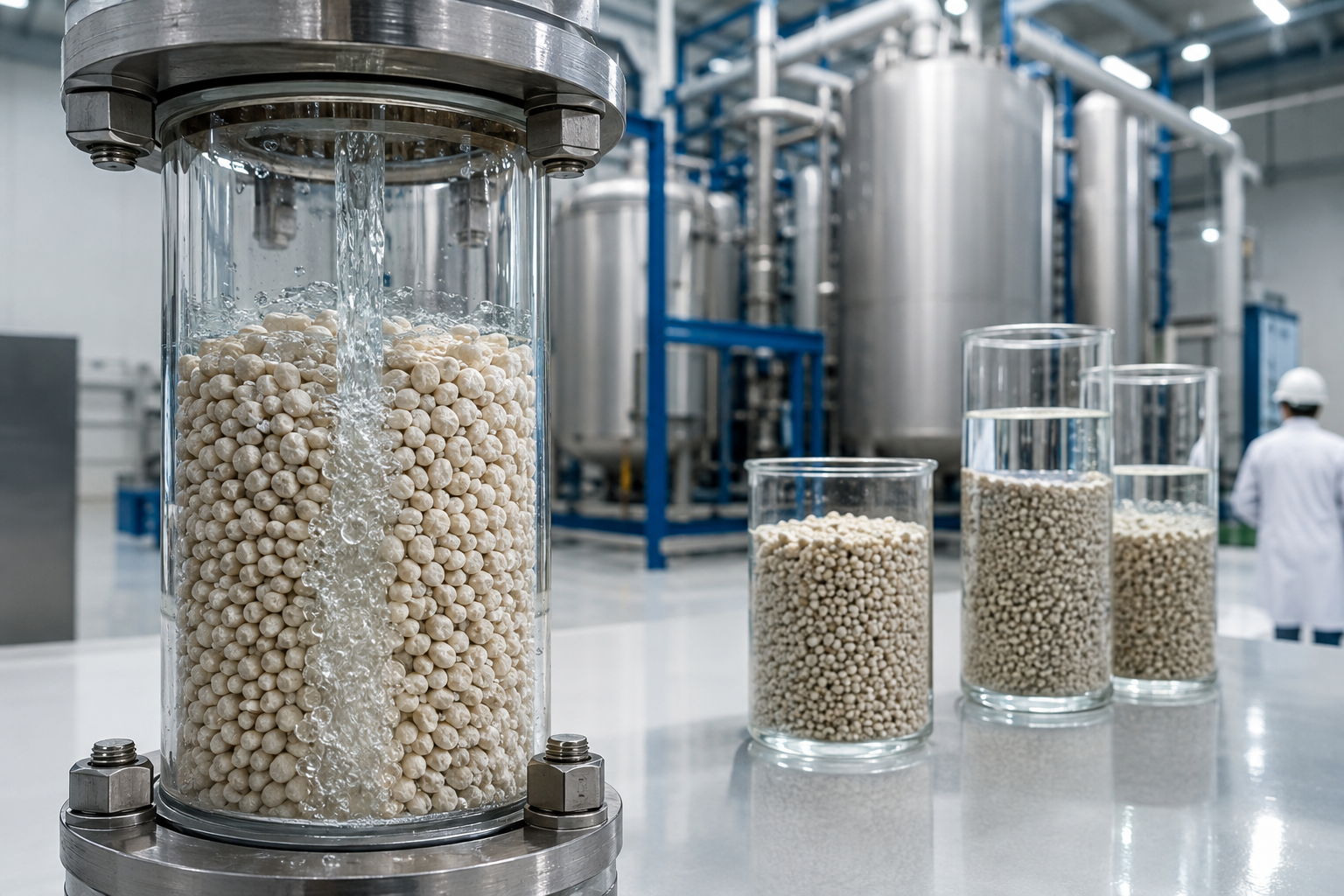
Polychlorinated biphenyls (PCBs) are among the most persistent, bioaccumulative organic pollutants in industrial wastewater and sediment runoff. Because PCBs are highly hydrophobic, standard physical separation and municipal water treatment plants fail to capture them effectively. Organophilic clay—natural bentonite modified with quaternary ammonium cations—transforms a hydrophilic mineral into an aggressive hydrophobic adsorbent capable of binding PCBs down to trace parts-per-billion (ppb) levels.
Here is the core mechanism: natural sodium bentonite features negatively charged silicate layers that attract water molecules and inorganic ions, repelling oils and non-polar organics. Synthesizing organophilic clay replaces those inorganic exchangeable cations (like $Na^+$ or $Ca^{2+}$) with quaternary ammonium surfactants featuring long alkyl chains. This modification opens the interlayer spaces of the clay matrix and turns the surfaces organophilic, allowing hydrophobic molecules like PCBs to partition rapidly into the organic phase of the clay.
Whether you are designing a groundwater remediation wall or retrofitting an industrial wastewater treatment train, these are the 5 core methods to remove PCB contaminants using organophilic clay.
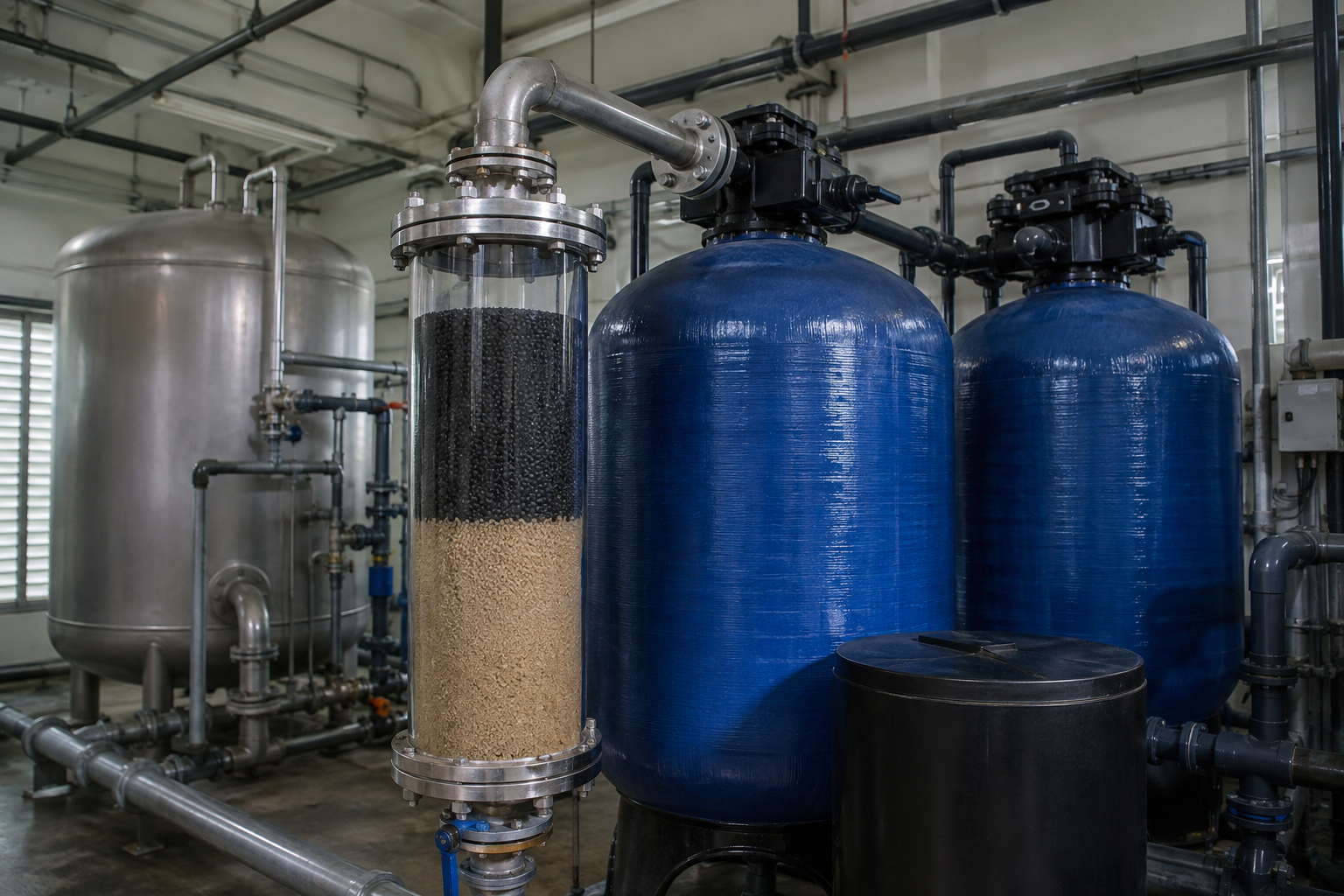
Fixed-bed column adsorption is the most widely deployed engineering method for treating PCB-contaminated groundwater and industrial process water. In this setup, granular or pelletized organophilic clay is packed into vertical pressure vessels, operating in downflow or upflow mode.
Contaminated water passes through the packed bed at a controlled superficial velocity. As the hydrophobic PCBs enter the tortuous pore pathways of the organoclay, they partition into the aliphatic chains of the quaternary amine surface treatment. Because organophilic clay does not swell excessively or blind when exposed to free oils, grease, or heavy hydrocarbons, it acts as both a primary adsorbent and an oil-water separator.
An industrial remediation project handling transformer oil runoff (containing Aroclor 1254 and Aroclor 1260) utilizes dual organoclay vessels in series (lead-lag configuration). The lead bed removes up to 95% of the oil and high-mass PCBs, protecting the lag bed which polishes the final effluent to below detectable discharge limits (<0.5 ppb).
For contaminated aquifers where excavation or pump-and-treat systems are economically or physically impractical, installing an in-situ Permeable Reactive Barrier (PRB) provides passive, long-term PCB containment.
Engineers trench across the flow path of a PCB-contaminated groundwater plume and backfill the trench with a permeable mixture of organophilic clay and coarse sand (typically 10% to 30% organoclay by weight). As groundwater flows naturally under hydraulic gradients, PCBs are immobilized within the organophilic interlayer zones of the clay barrier while clear water passes through.
Granular Activated Carbon (GAC) is famous for its exceptional surface area and microporosity, making it ideal for polishing trace organic contaminants. However, PCBs often enter wastewater accompanied by heavy hydrocarbons, transformer oils, or surfactants that quickly blind GAC micropores, causing premature carbon exhaustion.
Using organophilic clay as a dedicated pretreatment media upstream of GAC dramatically improves process economics and system reliability.
Organophilic clay excels at removing bulk hydrocarbons, emulsified oils, and high-molecular-weight hydrophobic PCBs without blinding. Organoclay can adsorb up to 50% of its total weight in oil and hydrophobic contaminants before breakthrough occurs. In contrast, GAC loses efficiency rapidly when oil concentrations exceed 5 mg/L.
| Parameter / Feature | Organophilic Clay (Pretreatment) | Granular Activated Carbon (Polishing) |
|---|---|---|
| Primary Function | Bulk hydrocarbon & PCB removal | Trace PCB polishing to non-detect |
| Oil Tolerance | High (Adsorbs up to 50% dry weight) | Low (Fouls at oil levels > 5 mg/L) |
| Pore Structure | Mesoporous & Interlayer Partitioning | High Microporosity |
| Swell Capability | Non-blinding organic partitioning | Subject to pore blockage |
| Cost per Pound | Lower capital & operating cost | Higher unit replacement cost |
By placing an organoclay vessel before the GAC bed, you extend the operational lifespan of the expensive activated carbon by 400% to 800%, preventing expensive media change-outs.
Dredged river sediments, lagoon sludges, and industrial pond residues often contain high levels of PCBs co-mingled with toxic metals and free liquids. Direct landfilling of wet PCB waste is strictly regulated globally. Organophilic clay can be physically mixed into sludges to stabilize the waste matrix.
Organophilic clay is blended directly into the semi-solid waste using standard civil engineering equipment (excavators, pug mills, or batch mixers) at a dosage rate of 2% to 10% by dry weight, often combined with Portland cement or fly ash.
Contaminated aquatic environments—such as riverbeds, harbor basins, and canal bottoms—frequently harbor legacy PCB contamination bound to fine sediments. Excavation (dredging) often resuspends toxic plumes into the water column. Reactive capping using organophilic clay provides a non-disruptive, highly effective alternative.
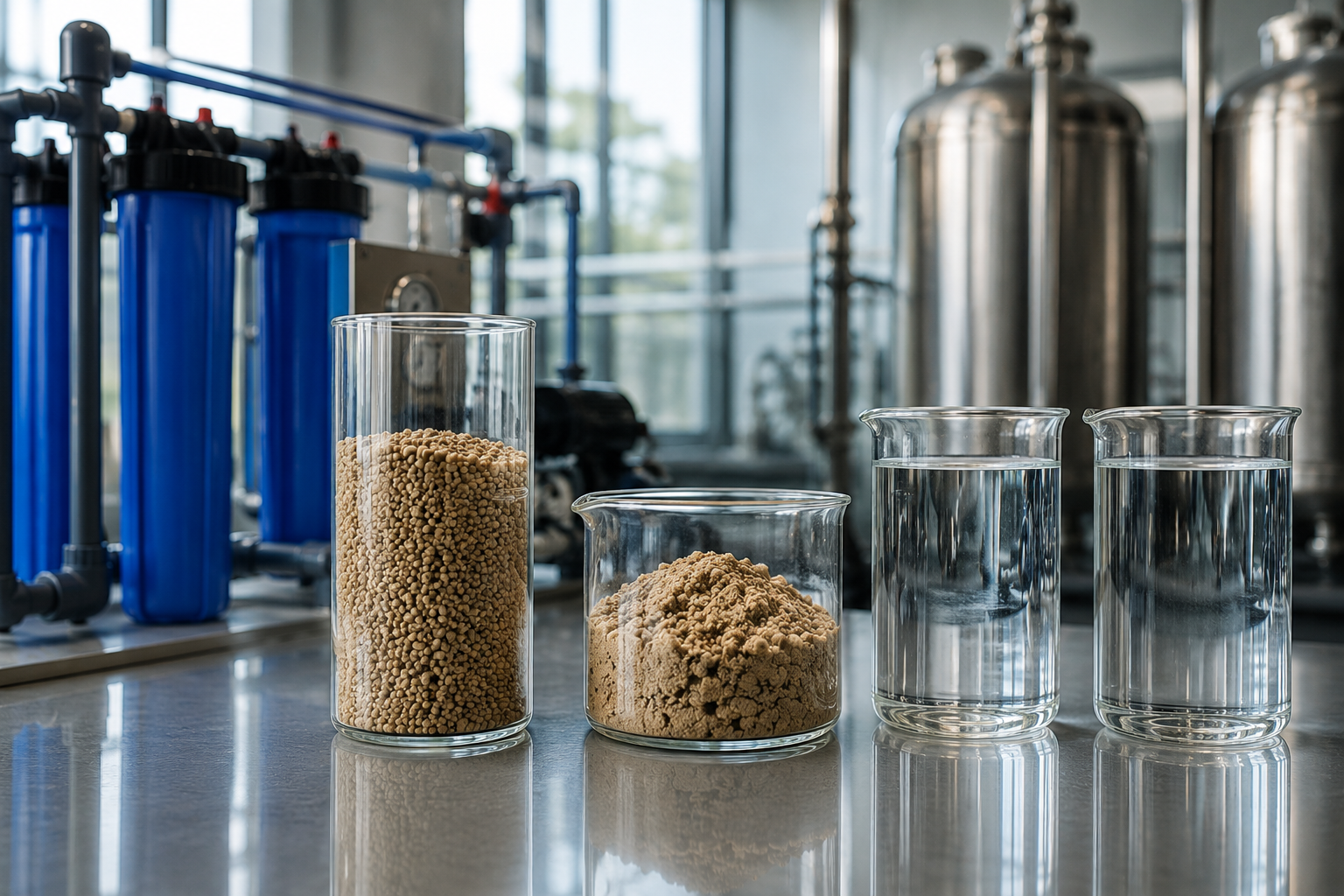
A traditional sand cap only slows down PCB diffusion through physical distance. Organophilic clay actively sequesters PCBs through chemical partitioning. A 0.5-inch layer of organoclay reactive mat often provides greater PCB attenuation than several feet of clean sand, minimizing displacement of aquatic bed volumes.
To understand why organophilic clay performs so reliably across these 5 methods, we must look at the surface chemistry of modified sodium bentonite.
Natural sodium bentonite consists of montmorillonite clay mineral structures—layered aluminosilicate sheets held together by weakly bound sodium ions ($Na^+$). In its native state, bentonite is hydrophilic. Water enters the interlayer spaces, causing the clay to swell, but non-polar compounds like PCBs (which dislike water) cannot enter these hydrated layers.
The chemical transformation occurs in three main steps:
During synthesis, quaternary ammonium salts—such as dimethyl dioctadecyl ammonium chloride—are introduced. The positively charged quaternary head groups exchange naturally with the $Na^+$ ions, anchoring to the negative silicate surfaces. The long, hydrophobic organic tails project outward into the interlayer spaces.
This fundamentally alters the material properties:
Because PCBs (such as Aroclor 1242, 1254, or 1260) have high $K_{ow}$ (octanol-water partition coefficient) values, their thermodynamic preference for the organoclay's alkyl phase is extraordinarily strong. This results in high distribution coefficients ($K_d$) and exceptional retention capacity.
Not all organophilic clays are manufactured equally. When specifying media for PCB removal applications, consider three critical chemical and physical factors:
The specific surfactant used determines the target contaminant range. For PCB remediation, bis(hydrogenated tallow alkyl) dimethyl ammonium surfactants offer the dense hydrophobic network needed for non-polar PCB molecules.
The efficiency of cation exchange depends on the cation exchange capacity (CEC) and montmorillonite content of the raw bentonite. High-purity sodium bentonite with a high CEC yields higher organo-surfactant loading and better structural integrity.
Effective environmental remediation requires raw materials built on consistent mineralogy and advanced processing standards. Axewelledge, one of India's largest mine owners and exporters of bentonite, provides high-purity sodium bentonite reserves that serve as the foundational base for high-performance industrial applications.
With over 60 million tons of quality-assured reserves and 15+ years of mineral processing expertise, Axewelledge delivers engineered bentonite products designed to meet demanding global specifications. Whether you are formulating specialized organophilic clays, building water treatment media, or managing large-scale industrial containment projects, Axewelledge ensures consistent swelling capacity, high CEC, and reliable international logistics across North America, the Middle East, Southeast Asia, and worldwide.
Explore our high-performance mineral products or consult with our technical specialists to optimize your industrial water treatment and containment processes today.













Have questions about our products? We're here to help!