Axewelledge, a leading exporter from India, specializes in high-quality Bentonite. With a commitment to excellence, we supply premium Bentonite to the Middle East and Southeast Asia markets.


North Angle Complex, 304,
150 Feet Ring Rd, Opposite Ambedkar Nagar BRTS Stop,
Madhav Park, Punit Nagar,
Mavdi, Rajkot, Gujarat 360004
© Axewelledge 2026, All Rights Reserved.
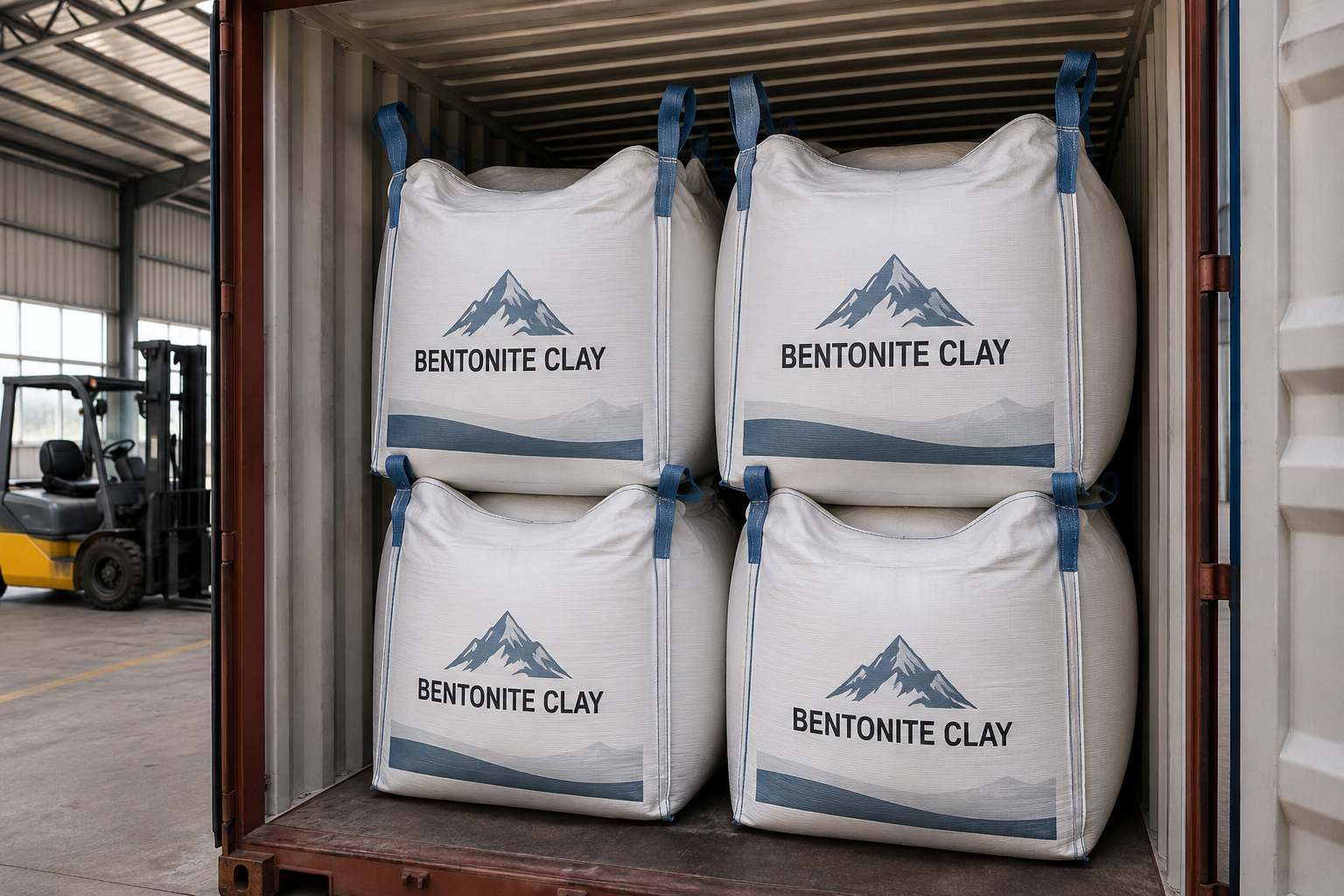
Shipping bentonite clay across oceans is a serious business. If you have ever dealt with a container full of moisture-damaged product or torn bags at the port, you know exactly why packaging matters. Bentonite is sensitive. It is a high-performance mineral that relies on its swelling and absorption properties to do its job. If those properties are compromised before the product even hits the client facility, you are not just looking at a loss of profit; you are looking at a breakdown in trust.
At Axewelledge, we have spent over 15 years mining and moving minerals globally. We have learned the hard way that the difference between a seamless delivery and a logistical headache often comes down to the choice of a bag or the placement of a pallet. This guide is not about sales jargon. It is a breakdown of how to pack bentonite so it stays as pure as the day it left our processing plants.
Why do we obsess over packaging for a natural clay? It comes down to two primary enemies: moisture and handling. Bentonite is hygroscopic. It naturally wants to absorb water. If your packaging is not airtight or moisture-resistant, the humidity inside a shipping container can turn a high-grade powder into a clumping, unusable mess.
Then there is the physical journey. Minerals are dense. Moving them involves cranes, forklifts, and rough seas. If the bag construction is weak or the palletization is unstable, you are inviting damage. When you export to countries like those in the Middle East or Southeast Asia, the climate can vary from extreme heat to high humidity. Your packaging needs to survive that journey without flinching.
There is not a one-size-fits-all solution, but there are industry standards that work.
Most global trade relies on 'big bags' or FIBCs. These are the workhorses of the mineral world. For bentonite, you need a heavy-duty polypropylene (PP) woven fabric.
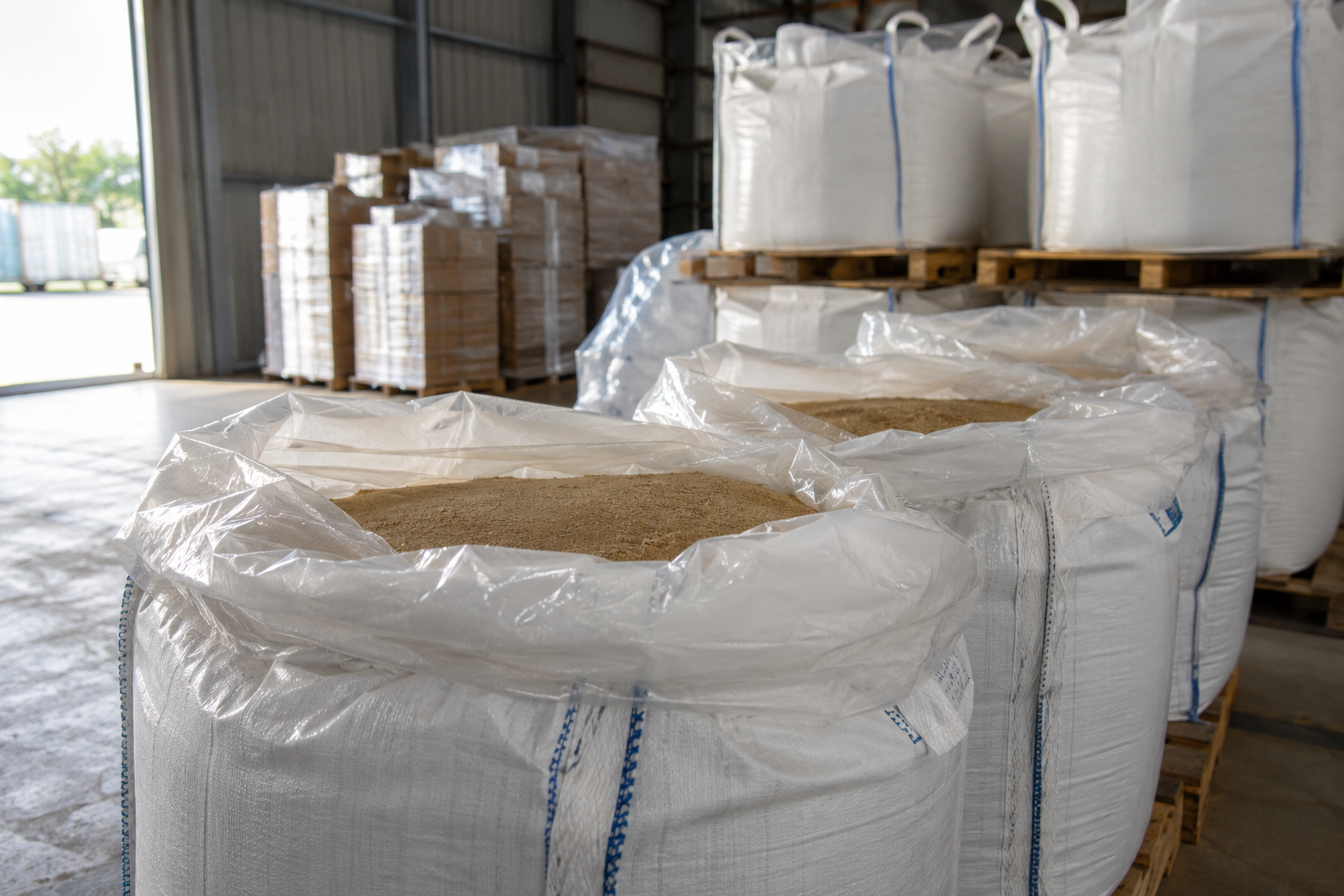
If you are shipping smaller quantities—say, 25kg or 50kg bags—multi-wall paper sacks are common. They are easier for end-users to handle manually. However, they are notoriously vulnerable to moisture. If you use paper, you must ensure it has a plastic inner ply or a PE film barrier. Without that, you are essentially shipping through a sponge.
Let us talk deeper about moisture. You might think, 'It is just a bag,' but the barrier technology is sophisticated. Many exporters are moving toward foil-lined bags for high-purity applications, such as in the cosmetics or pharmaceutical industries. While expensive, they provide an almost total barrier against humidity.
For standard industrial grade, a 50-micron to 100-micron PE liner is usually the sweet spot. It creates a vacuum-like seal when properly tied off. When sealing these, do not just tie a knot. Use a proper heat seal or a secure zip-tie mechanism that prevents air exchange. If air can move, moisture can migrate.
Packing a bag is only half the battle. How you load it into a container dictates how it arrives.
International shipping is not just about weight; it is about information. Your bags must clearly display:
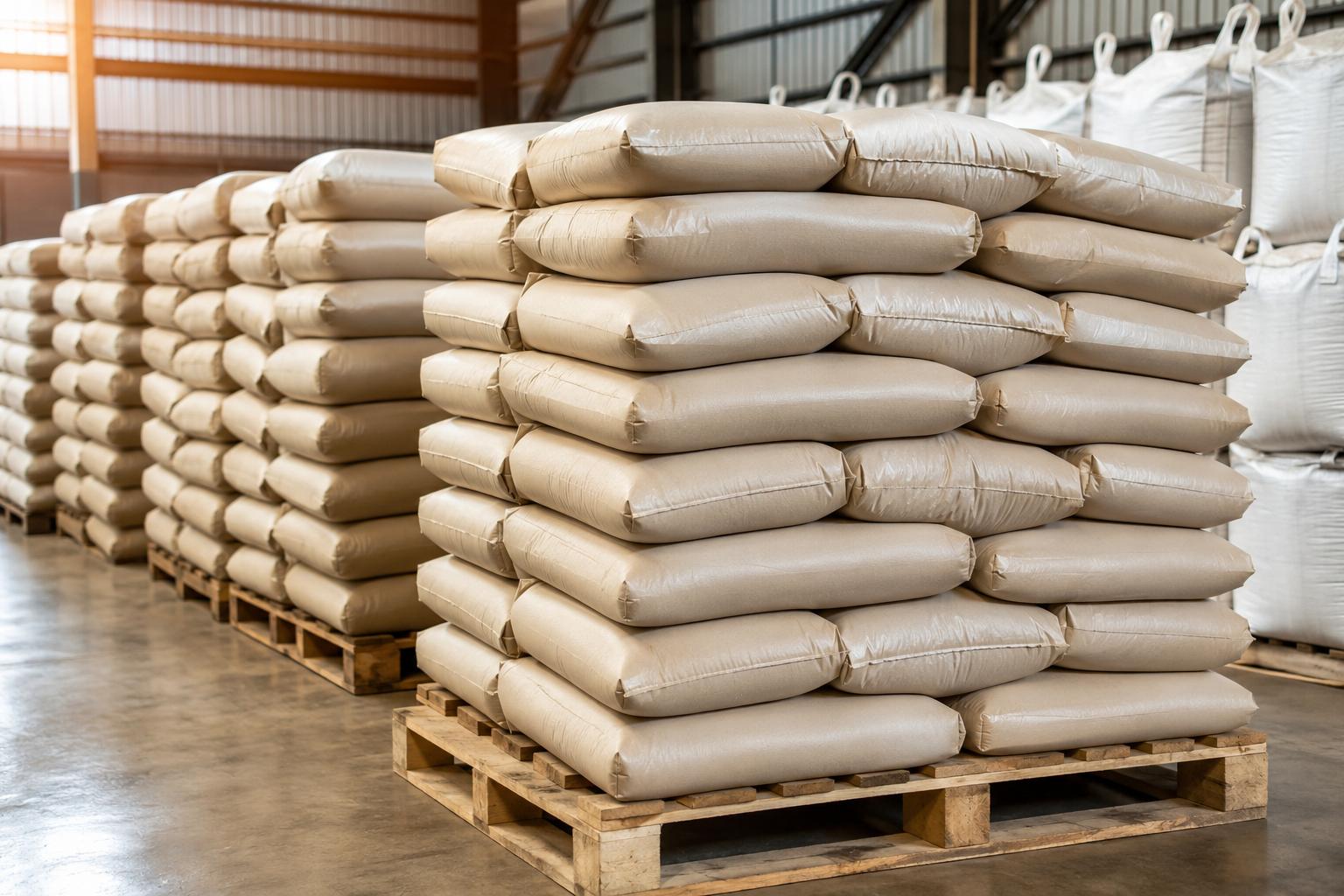
If you are dealing with customs in the USA or any major port, legible and accurate labeling is the fastest way to get through an inspection. Ambiguity causes delays. Delays cost money.
Never send a container without a final walk-through. Check the bags for pinhole leaks. Ensure the pallets are dry—if the wood is wet, that moisture will move directly into your product. At Axewelledge, we test our sealing processes regularly. It is part of the commitment to quality that we take seriously. If a bag looks compromised, pull it. It is always cheaper to replace one bag than to deal with a claim on a whole container.
Sustainability is moving from a buzzword to a requirement. Clients are increasingly asking for recyclable packaging. While we need plastic for moisture protection, we can reduce the volume by optimizing bag sizes and using high-strength polymers that allow for thinner walls without sacrificing durability. Talk to your packaging supplier about recycled content options. It is a competitive advantage to show your clients you are thinking about the environmental impact of your supply chain.
Don't let these mistakes happen to your business:
Exporting bentonite is about managing a chain of small details. When you secure your packaging, you secure your reputation. You ensure that the high-quality mineral you mined in India performs exactly as intended for your client in the USA, the Middle East, or beyond. It is a process that combines industrial science with practical logistics.
If you are looking to scale your exports, start by auditing your current packaging. Ask yourself: if this bag was left on a rainy dock for 48 hours, would the product inside survive? If the answer is no, it is time to upgrade your specifications. Quality minerals deserve quality protection.
We have seen how robust packaging can lead to stronger partnerships. It is a simple thing, really—delivering value without excuses. Take the time to master your export packaging, and your global supply chain will be all the more resilient for it.
Are you looking to optimize your current mineral export strategy or perhaps source high-quality bentonite that comes with reliable, secure packaging standards? Our team at Axewelledge is here to help you navigate these complexities. From mining the raw material to ensuring it lands safely at your doorstep, we manage the full cycle. Let us know what your current shipping challenges are, and we will help you find a better way to get your product moving.













Have questions about our products? We're here to help!