Axewelledge, a leading exporter from India, specializes in high-quality Bentonite. With a commitment to excellence, we supply premium Bentonite to the Middle East and Southeast Asia markets.


North Angle Complex, 304,
150 Feet Ring Rd, Opposite Ambedkar Nagar BRTS Stop,
Madhav Park, Punit Nagar,
Mavdi, Rajkot, Gujarat 360004
© Axewelledge 2026, All Rights Reserved.
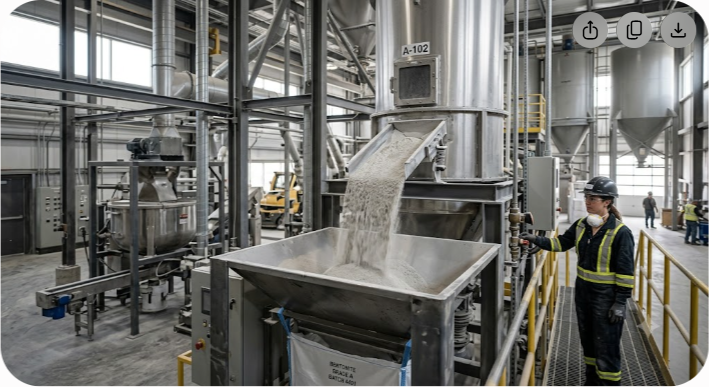
If you have ever spent time looking closely at what keeps modern manufacturing running smoothly or crops growing efficiently, you might be surprised by how often a humble type of clay is doing the heavy lifting. We are talking about bentonite—a remarkably absorbent, swelling clay formed largely from weathered volcanic ash. Whether you are managing civil engineering projects, running a metal casting foundry, formulating animal feed, or drilling deep into the earth for energy, securing a reliable supply of high-grade bentonite is critical to your operational success.
Sourcing this mineral isn't just about buying bags of powder off a shelf. It requires an understanding of mineral grades, crystalline structures, cation exchange capacities, and the logistics of moving bulk materials across international borders. Procurement managers and project heads face a crowded global market filled with varying levels of quality, purity, and consistency. When you need a mineral that performs reliably under extreme pressure or chemical stress, you cannot afford to gamble on substandard supplies.
Let us break down everything you need to know about navigating the bentonite landscape, evaluating suppliers, and ensuring your industrial or agricultural operations get the exact grade of clay required.
Before diving into procurement strategies, let us look at what makes bentonite so unique. At its core, bentonite is an impure clay consisting mostly of smectite minerals, primarily montmorillonite. The geological origin of the clay—specifically the way volcanic ash alters in marine or freshwater basins over millions of years—gives it distinct physical and chemical characteristics.
When water hits bentonite, the molecular structure reacts dramatically. Water molecules slip between the microscopic layers of the clay crystal lattice, causing the material to expand far beyond its dry volume. This high swelling capacity, combined with exceptional cation exchange and colloidal properties, transforms ordinary-looking dust into a powerful gel-forming, binding, and sealing agent.
Not all bentonite is created equal. Knowing the difference between the primary types is the first rule of smart sourcing.
Understanding which variant your specific application demands will save you from costly procurement mistakes down the road.
Industrial sectors demand consistency. A batch of clay with inconsistent swelling performance can cause drilling fluid failures, compromised structural seals, or defective metal castings. Let us examine how different sectors utilize this mineral and what technical specifications they look for.
In drilling operations, bentonite forms the backbone of drilling muds. The slurry serves multiple crucial functions: it cools and lubricates the drill bit, suspends rock cuttings to carry them out of the borehole, and exerts hydrostatic pressure to prevent the walls of the well from caving in.
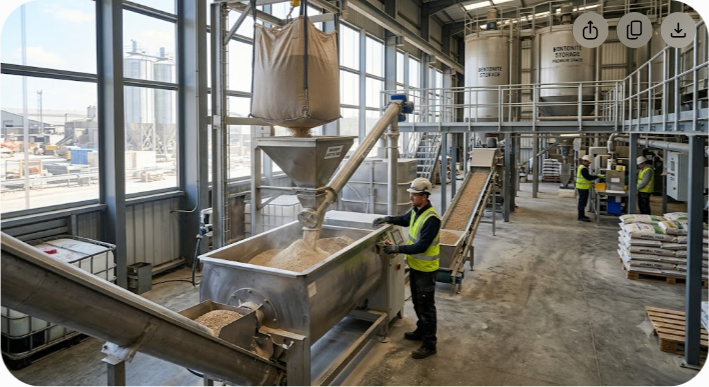
Walk into any metal casting foundry, and you will find bentonite playing a starring role. Green sand molding systems rely on bentonite clay mixed with silica sand and water to bind molds together.
From building slurry walls for deep basements to capping hazardous waste sites, environmental containment relies heavily on the low permeability of sodium bentonite.
While industrial uses often focus on sealing and drilling, the agricultural sector harnesses bentonite's absorbent and binding qualities to improve productivity, animal health, and soil structure.
Nutritionists and feed mill operators use bentonite as a pellet binder and a functional feed additive.
In sandy or arid soils, water and nutrients drain away too quickly for plant roots to utilize efficiently. Bentonite acts as a physical soil conditioner.
Procuring industrial minerals internationally is complex. You are dealing with bulk quantities, variable freight rates, strict customs clearances, and quality verification challenges. Working with an established industry leader changes the dynamic entirely.
Consider companies like Axewelledge, which operate as major mine owners and exporters with massive reserves—spanning over 60 million tons of high-quality deposits. When a supplier owns their mines and operates advanced processing facilities, you remove layers of middlemen, ensuring better traceability, consistent mineralogy, and competitive pricing.
When evaluating sample batches from potential suppliers, do not rely solely on marketing brochures. Insist on rigorous lab testing. Here are the core specifications procurement professionals must check:
Measured in milliliters per two grams of dry clay, this test shows how much the material expands in water. High-grade sodium bentonite typically exhibits a free swell index of twenty-four milliliters or higher.
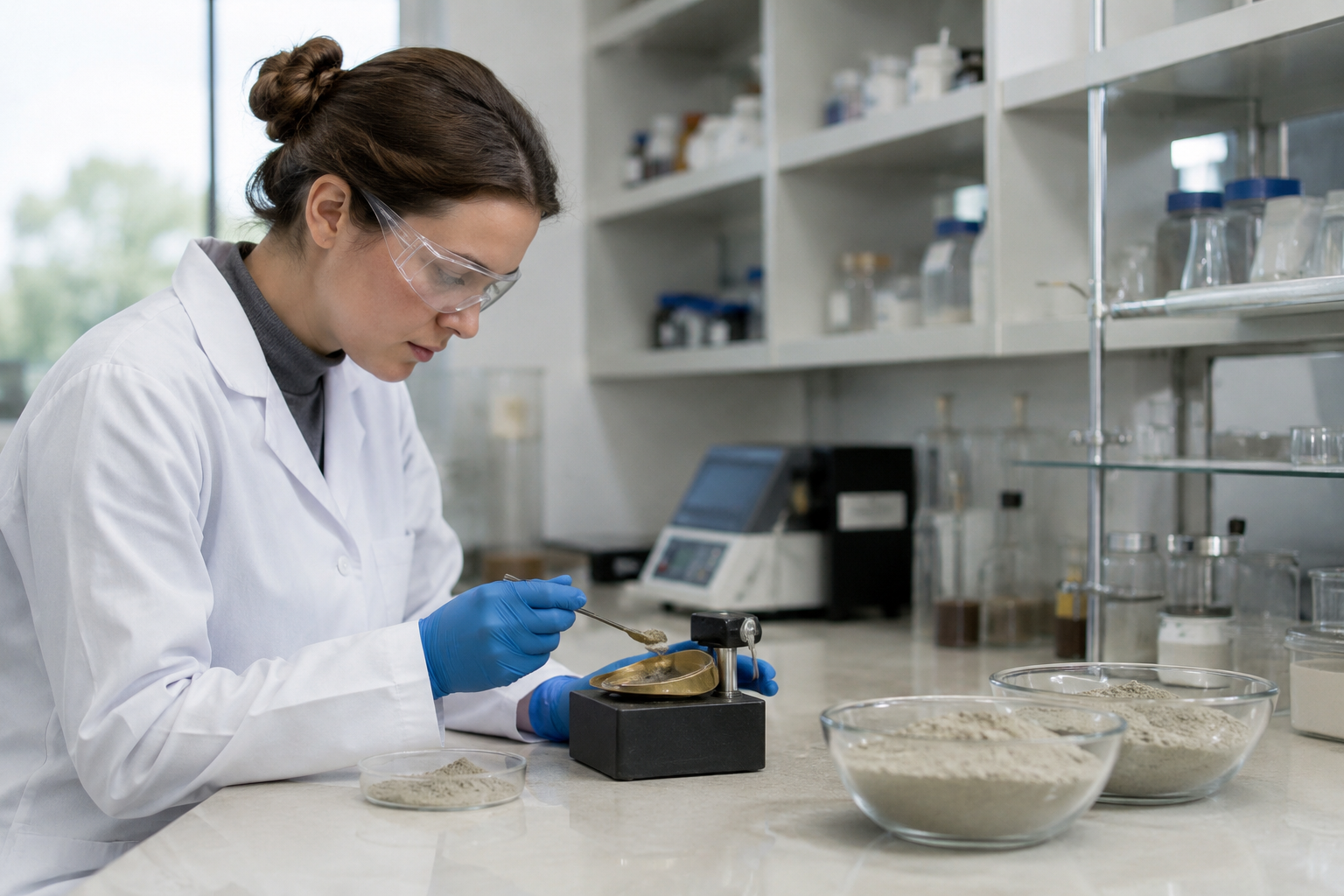
Excess moisture means you are paying shipping costs for water rather than active clay. Premium processed bentonite generally maintains a controlled moisture level between eight and twelve percent.
Depending on your application, you may need ultra-fine pulverized powder (e.g., 200 mesh or 325 mesh) or granular grades. Consistent grinding ensures predictable hydration rates and performance.
Expressed in milliequivalents per one hundred grams (mEq/100g), CEC measures the clay's ability to exchange ions. Higher CEC values correlate directly with superior adsorption and binding capabilities.
The moisture content at which the clay behaves like a liquid. Higher liquid limits indicate greater colloidal activity and suspension power.
Modern industrial buyers care deeply about environmental impact. Mining and mineral processing leave footprints, and responsible operators take active steps to minimize ecological disruption.
Sustainable sourcing involves:
Bentonite itself is an entirely natural, earth-derived mineral. When sourced responsibly, it serves as an eco-friendly alternative to synthetic polymers and chemical additives across construction, drilling, and water purification sectors.
Navigating an international purchase order for bulk minerals requires a structured approach. Follow these steps to streamline your procurement cycle:
Document your exact requirements. Specify whether you need sodium or calcium-based clay, maximum allowable moisture, preferred mesh size, and target viscosity or swelling index.
Never skip sample testing. Ask prospective suppliers for representative samples from current production lots. Run them through your internal lab protocols to verify real-world performance.
Evaluate the supplier's mining reserves, processing plant capacity, quality control certifications, and export track record. Check how they handle packaging—whether jumbo bags, multi-wall paper sacks, or bulk vessel loads.
Clarify shipping terms (FOB, CFR, CIF) and ensure the supplier has experience managing export documentation, Certificate of Analysis (CoA) provisions, and compliance with destination country import regulations.
Mineral markets experience price fluctuations. Securing long-term supply contracts with trusted producers helps stabilize your operational costs and guarantees allocation during peak demand cycles.
Sourcing premium bentonite is both a science and a strategic art. By understanding the distinct properties of sodium and calcium variants, identifying rigorous quality metrics, and partnering with established mine owners who prioritize advanced processing and sustainable practices, you position your operations for long-term success. Whether you are boring through stubborn rock formations, fortifying animal nutrition, or casting complex metal components, the right clay makes all the difference.













Have questions about our products? We're here to help!