Axewelledge, a leading exporter from India, specializes in high-quality Bentonite. With a commitment to excellence, we supply premium Bentonite to the Middle East and Southeast Asia markets.


North Angle Complex, 304,
150 Feet Ring Rd, Opposite Ambedkar Nagar BRTS Stop,
Madhav Park, Punit Nagar,
Mavdi, Rajkot, Gujarat 360004
© Axewelledge 2026, All Rights Reserved.
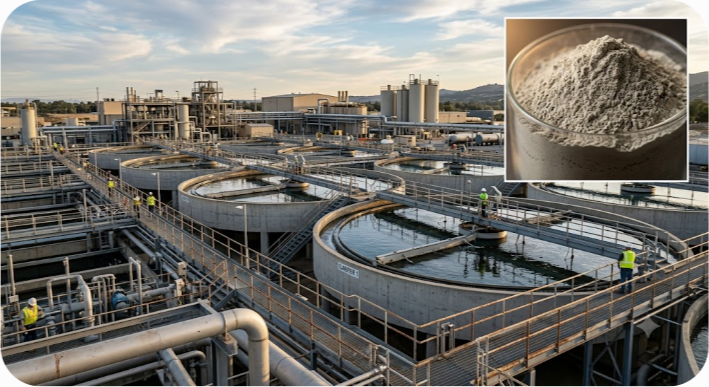
We rarely think about what happens beneath the surface of our modern industrial facilities. Yet, keeping toxic effluent contained and cleaning millions of gallons of polluted water relies heavily on materials that have sat quietly in the earth for millions of years. Among these, sodium bentonite clay stands out as a true heavy hitter. If you manage an industrial plant, design environmental controls, or oversee civil engineering projects across the United States, understanding how this versatile mineral works can completely change how you approach compliance, cost control, and ecological safety.
At Axewelledge, we spend a lot of time looking at what makes high-grade mineral reserves tick. Having supplied premium mineral solutions globally for over fifteen years, we see firsthand how a simple clay formed from ancient volcanic ash solves some of the toughest engineering problems on earth. Let's look closely at why this mineral matters, how it interacts with industrial wastewater, and why its sealing capabilities remain unmatched.
To understand why sodium bentonite performs so well in wastewater systems and sealing operations, you have to look at its crystal structure. Bentonite is primarily composed of montmorillonite, a 2:1 layered silicate mineral. Picture a microscopic deck of cards where each card has a negative electrical charge. When water molecules introduce themselves to this structure, they slip right between the layers, forcing the cards apart.
This process leads to the defining characteristic of high-grade sodium bentonite: extreme swelling. When exposed to moisture, true sodium bentonite can expand up to several times its dry volume. It forms a thick, viscous, thixotropic gel that behaves differently under stress. When you agitate it, it flows easily; let it sit undisturbed, and it locks back into a resilient, gel-like state.
This behavior gives industrial engineers two major advantages:
Unlike calcium-based alternatives that swell very little, sodium bentonite creates a self-healing, impermeable barrier that adapts to shifting ground or settling structures. That exact trait makes it indispensable for keeping industrial sites leak-free and compliant with strict environmental regulations.
Managing industrial effluent is a massive logistical and financial hurdle for plants in the manufacturing, chemical processing, and mining sectors. Meeting state and federal discharge limits means pulling out heavy metals, fine particulates, oils, and organic dyes before water ever touches a natural waterway. Traditional synthetic chemicals often work, but they can alter pH balances or leave behind harmful secondary residues.
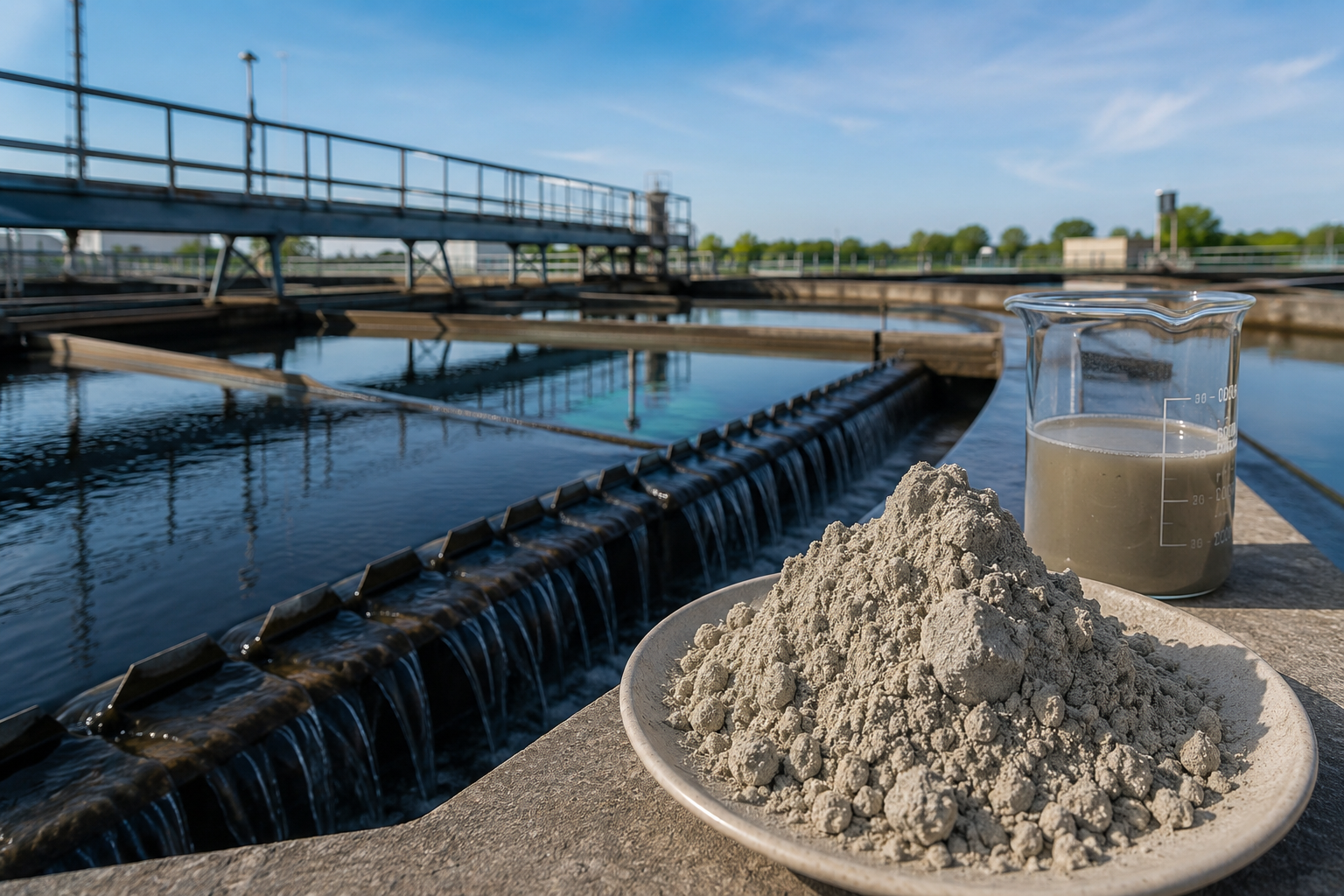
Bentonite clay offers a cleaner, highly effective alternative through three primary mechanisms: coagulation, flocculation, and adsorption.
Industrial wastewater is frequently clouded with microscopic suspended solids that refuse to settle out on their own due to mutual electrical repulsion. When you introduce sodium bentonite into a treatment basin, its negatively charged surfaces interact with these suspended particles. It helps neutralize charges and acts as a powerful weighting agent.
As the clay particles disperse, they sweep through the liquid, trapping fine silt, organic matter, and colloidal suspensions. They bind them together into larger, heavier clumps called flocs. These flocs drop to the bottom of the basin rapidly, cutting down clarification times and reducing the strain on subsequent filtration stages. Plant operators often find that combining bentonite with traditional coagulants like alum or ferric polymers significantly lowers their total chemical usage and shrinks operational expenses.
Beyond just weighing down physical dirt, sodium bentonite features a high cation exchange capacity. This means it readily attracts positively charged ions floating in the water column. Lead, cadmium, mercury, and various organic compounds latch onto the mineral structure and stay trapped.
Instead of dissolving back into the effluent, these contaminants are locked securely into the sludge matrix. When the facility dewaters that sludge, the trapped pollutants stay bound, making safe disposal much more straightforward.
Many advanced wastewater facilities utilize a thin layer of bentonite clay to pre-coat their filtration media. This porous bentonite cake catches ultra-fine particulates that would otherwise clog primary filters prematurely. It acts as an economic insurance policy for your filtration equipment, extending membrane and filter cloth lifespans while boosting overall effluent clarity.
While cleaning wastewater is half the battle, keeping untreated runoff and hazardous byproducts from escaping into surrounding soil and aquifers is equally critical. Here is where industrial sealing takes center stage.
Whether you are constructing a zero-discharge evaporation pond, lining a chemical containment basin, or capping an industrial landfill, preventing seepage is non-negotiable. Synthetic membranes can tear, puncture, or degrade under harsh chemical exposure over time. Pairing or replacing them with bentonite-based sealing solutions provides a failsafe layer of protection.
In heavy civil engineering and site remediation, constructing vertical cut-off walls is a standard technique to isolate contaminated groundwater plumes. Engineers mix high-grade sodium bentonite with water and local soils to create a dense slurry. This fluid is pumped into excavated trench lines, where it exerts hydrostatic pressure against the trench walls to prevent collapse while simultaneously soaking into the surrounding soil pores.
Over time, the mixture sets into a low-permeability barrier. Groundwater hits this bentonite wall and is forced to divert away from clean zones or toward designated extraction wells. It effectively puts a fence around underground pollution, stopping migration before it hits local water tables.
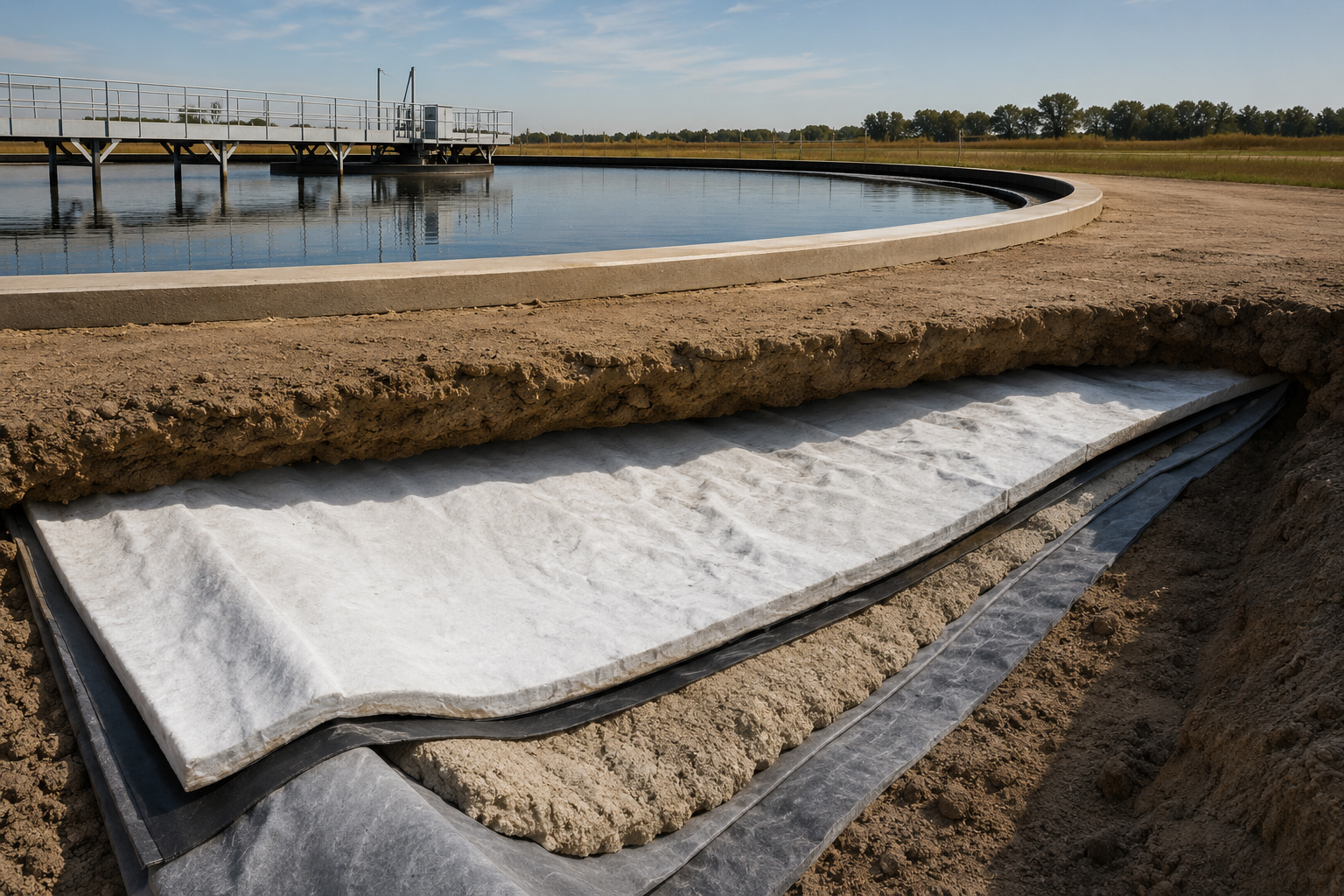
For modern landfills and industrial surface impoundments, Geosynthetic Clay Liners represent the gold standard of containment. These factory-manufactured materials sandwich a uniform layer of granular sodium bentonite between two geotextile fabrics.
If groundwater or moisture manages to penetrate the upper layers of a containment cell, it reaches the GCL. The bentonite core immediately hydrates, swells, and locks into a dense barrier with hydraulic conductivity levels far lower than compacted native clay. Best of all, if the liner experiences a minor puncture from shifting loads or installation stress, the surrounding bentonite naturally creeps toward the gap and swells to fill it. That self-healing capability offers long-term peace of mind that rigid synthetic sheets simply cannot match.
Not all clay is created equal. The purity of the montmorillonite content, the exact sodium activation level, and the consistency of the particle size distribution dictate how well a batch of bentonite will perform under pressure. Using low-grade mineral supplies can lead to incomplete swelling, inconsistent viscosity in drilling muds, or micro-seepage in containment liners.
As a major global producer and mine owner with over 60 million tons of high-grade reserves, Axewelledge ensures that every metric meets strict international specifications. When facility managers rely on industrial minerals, predictability is everything. Knowing that your mineral supply chain is backed by robust R&D, advanced refinement techniques, and efficient logistics means your wastewater facility or sealing project runs without unexpected performance drops.
Furthermore, sourcing natural minerals aligns directly with corporate sustainability goals. Unlike petroleum-derived polymers or synthetic coagulants that carry heavy environmental footprints during manufacturing, bentonite is a naturally occurring earth product. It is non-toxic, chemically stable, and completely biodegradable, helping industrial operations meet stringent environmental regulations without introducing new pollutants into the ecosystem.
If you are planning to integrate sodium bentonite into your current wastewater treatment train or industrial sealing protocol, a few practical steps ensure maximum efficiency:
Taking these proactive measures guarantees that you get the full return on your mineral investment, keeping operations compliant, efficient, and environmentally sound.
Industrial regulations across the United States continue to tighten, and public expectations around corporate environmental stewardship have never been higher. Facilities cannot afford to rely on outdated or fragile containment methods. By harnessing the natural, swelling, and absorptive power of high-grade sodium bentonite, plant managers can tackle complex wastewater streams and secure containment sites with absolute confidence.
Whether you are upgrading an existing clarifier, engineering a new industrial pond, or designing a robust slurry wall, integrating premium bentonite solutions gives your facility a distinct engineering advantage. It proves that sometimes, the most advanced solutions to modern industrial challenges come straight from the earth.













Have questions about our products? We're here to help!