Axewelledge, a leading exporter from India, specializes in high-quality Bentonite. With a commitment to excellence, we supply premium Bentonite to the Middle East and Southeast Asia markets.


North Angle Complex, 304,
150 Feet Ring Rd, Opposite Ambedkar Nagar BRTS Stop,
Madhav Park, Punit Nagar,
Mavdi, Rajkot, Gujarat 360004
© Axewelledge 2026, All Rights Reserved.
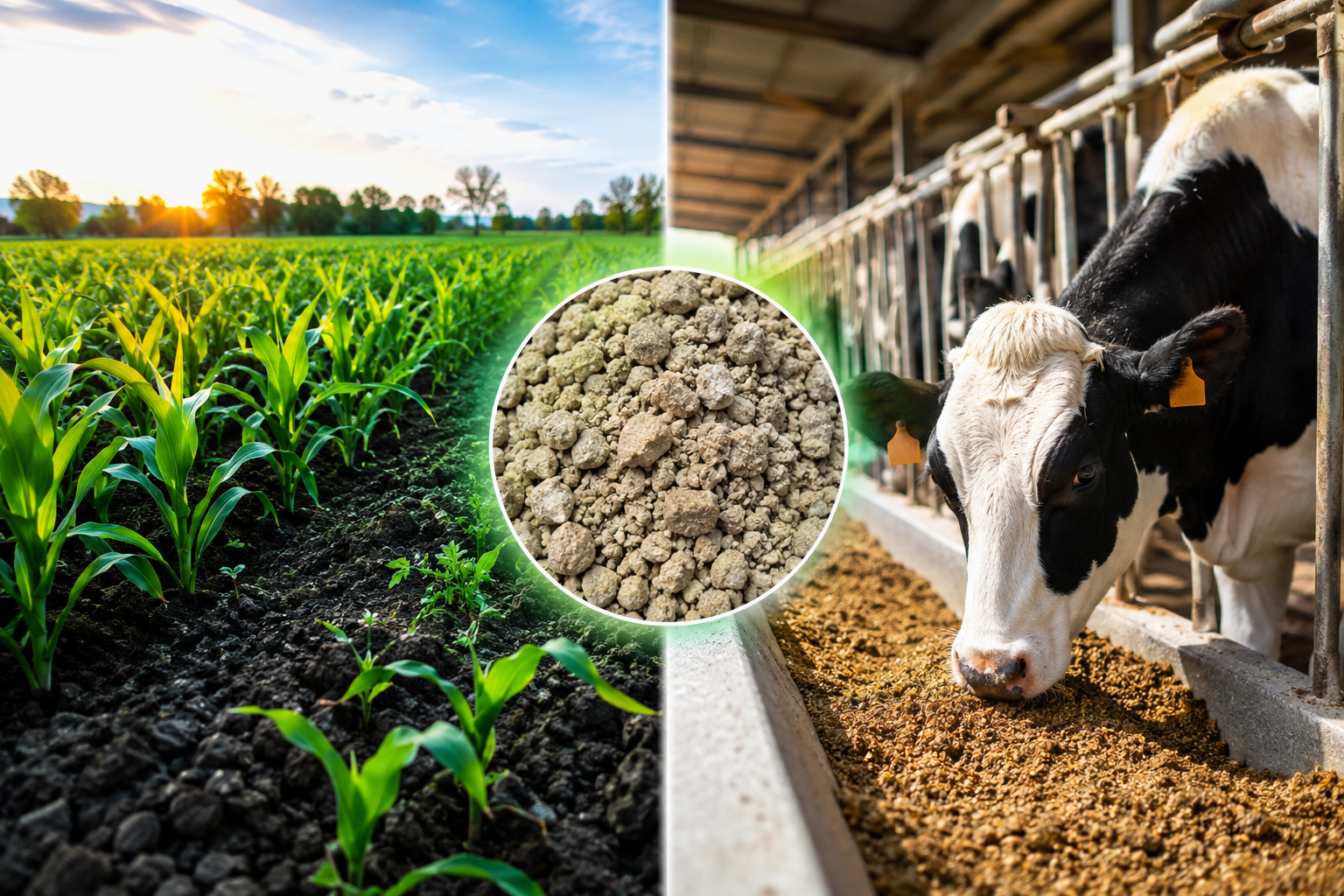
Take a walk through almost any commercial farming region in the United States, from the sweeping cornfields of Iowa to the high-value vegetable valleys of California, and you will notice something troubling if you look closely enough. The soil is tired. Decades of intensive cultivation, heavy synthetic chemical inputs, and unpredictable weather patterns have stripped our land of its natural resilience. At the same time, livestock producers face an uphill battle against rising feed costs, changing climates, and the hidden threat of feed contamination.
Modern agriculture is caught in a tight squeeze. We need to produce more food for a growing global population, but the old toolkit—simply dumping more synthetic nitrogen onto crops or pumping animals full of artificial stabilizers—is hitting a wall of diminishing returns and environmental pushback. Farmers and livestock producers need solutions that work with natural systems rather than trying to overpower them.
That is where sustainable minerals come into the picture. Instead of inventing complex, synthetic chemicals in a lab, the future of resilient farming might lie in an ancient, natural mineral that has been sitting in the earth for millions of years: bentonite clay.
To understand why this mineral is causing a stir in modern agricultural circles, we have to look at what it actually is. Bentonite is not just ordinary dirt or common mud. It is a highly specialized, volcanic ash deposit that has weathered over millennia, usually in the presence of water. This unique geological history gives bentonite an incredible, microscopic crystalline structure.
At a molecular level, bentonite is made up of layered silicate sheets. These sheets possess a strong negative electrical charge. Because opposites attract, this negative charge allows bentonite to attract, hold, and exchange positively charged ions (cations) like calcium, magnesium, potassium, and sodium. In the scientific community, this is known as having a high Cation Exchange Capacity, or CEC.
There are two primary flavors of bentonite used in commercial industries:
Global producers like Axewelledge tap into vast, high-quality reserves containing over 60 million tons of these minerals, refining them using advanced techniques so they can be adapted safely for both soil applications and animal consumption. Let's look at how this single mineral pulls double duty on the modern homestead and commercial farm.
If you have ever tried to grow crops or maintain pastures in sandy or degraded soils, you know the frustration. You turn on the irrigation lines or watch a heavy rainstorm pass through, only for the water to drain straight through the root zone within minutes, taking expensive fertilizers along with it. This is a massive issue across parts of the American Southwest and the sandy coastal plains of the Southeast.
When soil cannot hold onto water, plants suffer from chronic drought stress. Furthermore, the nutrients you apply—like nitrogen and phosphorus—leach into the deep groundwater table or run off into nearby streams. That is bad news for your wallet and even worse news for the local environment.
When you incorporate high-quality sodium bentonite into coarse, sandy, or degraded soils, it fundamentally alters the physical structure of the earth. As the clay particles encounter moisture, they swell and fill the excessive macro-pores between sand grains.
Instead of a wide-open sieve where water flows freely downward, the soil matrix becomes a balanced network of micro-pores. The water is trapped and held right where the plants need it most: in the topsoil, surrounding the active root system.
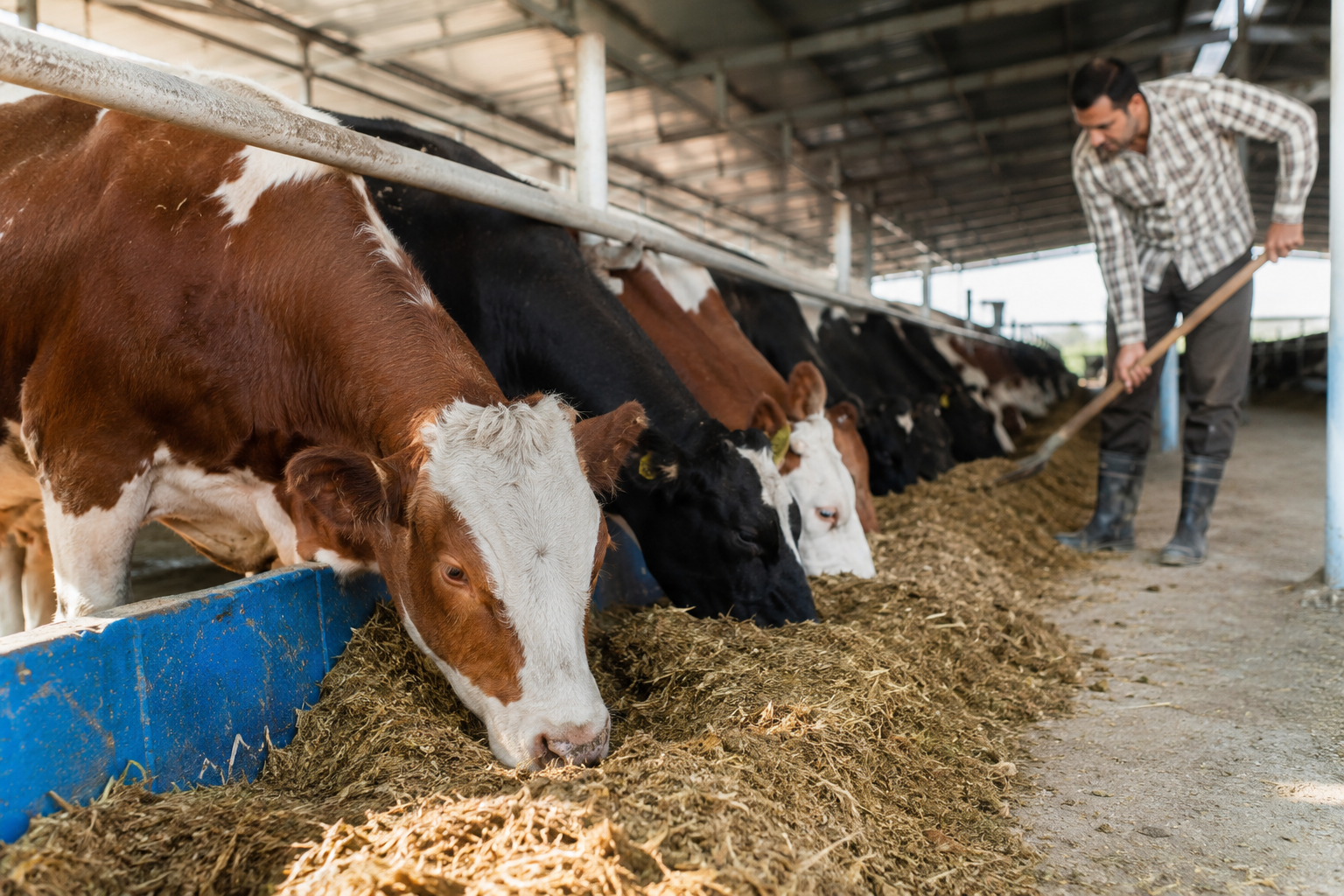
Think of Cation Exchange Capacity as your soil's natural battery bank. A soil with a high CEC can hold onto vital plant nutrients, preventing them from washing away, and then release them gradually as the plant roots demand food.
Pure sand has a terrible CEC, often sitting somewhere between 1 and 5. Bentonite clay, on the other hand, boasts a CEC that can exceed 80 or 90. By blending bentonite into poor soils, you are essentially upgrading the soil's battery capacity. When you apply fertilizers or organic compost, the bentonite particles grab onto those nutrients (calcium, magnesium, ammonium) and hold them tight. This minimizes leaching, improves fertilizer efficiency, and ensures your crops receive a steady, sustained diet rather than a brief feast followed by starvation.
Soil health is not just about chemistry and physics; it is about biology. Healthy soil crawls with billions of beneficial microbes, mycorrhizal fungi, and earthworms. These organisms require a stable environment with adequate moisture and structural protection to thrive.
By preventing extreme dry-and-wet cycling, bentonite creates a stable sanctuary for these micro-organisms. The clay mineral surfaces provide microscopic niches where bacteria can colonize, safely tucked away from predators and extreme environmental shifts. As the microbial community flourishes, they naturally break down organic material, unlocking even more nutrients for your crops and creating that rich, crumbly soil structure every farmer dreams of.
Switching gears from the field to the barn, bentonite plays an equally transformative role in animal husbandry. In the livestock industry, margins are razor-thin. The health, growth rate, and safety of your herd or flock dictate whether your operation stays in the black or dips into the red.
+-----------------------------------------------------------------+
| BENTONITE'S DUAL ROLE | +--------------------------------+--------------------------------+
| SOIL HEALTH | ANIMAL FEED | +--------------------------------+--------------------------------+
| • Increases Water Retention | • Binds Harmful Mycotoxins |
| • Elevates Cation Exchange | • Improves Pellet Quality |
| • Reduces Fertilizer Leaching | • Optimizes Rumen Digestion |
| • Stabilizes Microbe Habitats | • Lowers Moisture / Caking | +--------------------------------+--------------------------------+
One of the biggest threats to modern livestock production is completely invisible to the naked eye. Mycotoxins are toxic compounds produced by naturally occurring molds and fungi that grow on grain crops, silage, and stored feed. Damp harvests, changing weather patterns, and imperfect storage conditions can trigger a massive fungal bloom.
When animals consume feed contaminated with mycotoxins—such as aflatoxins, ochratoxins, or zearalenone—the results are devastating. Even low, sub-clinical levels can trigger:
This is where the unique molecular structure of agricultural-grade bentonite shines. When processed bentonite is mixed directly into animal feed rations at recommended structural percentages, it acts as a highly targeted, natural toxin binder.
As the animal digests its feed, the bentonite travels through the gastrointestinal tract. The negatively charged layers of the clay attract the positively charged polar groups of specific mycotoxins, particularly aflatoxins. The toxins are pulled into the clay's interlayer spaces, getting trapped tightly via chemical adsorption.
Because the animal’s digestive enzymes cannot break down the strong bond between the bentonite and the toxin, the clay passes safely through the digestive system. The dangerous toxins are excreted naturally in the manure, completely bypassing the animal's bloodstream and liver. This keeps your livestock safe, protects meat and milk quality, and prevents toxic residues from entering the human food supply.
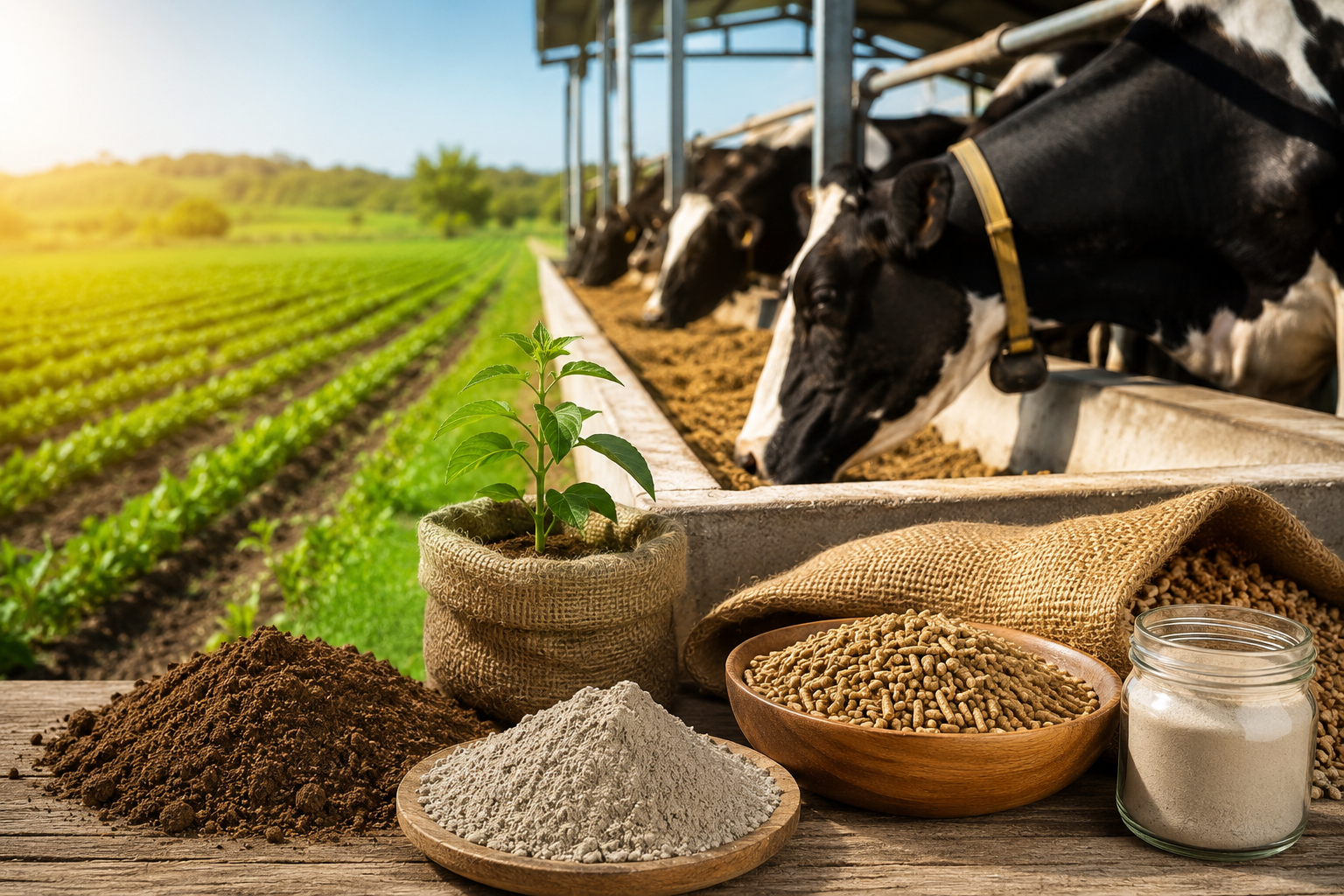
In ruminant animals like beef and dairy cattle, the stomach is a massive, delicate fermentation vat. If a cow eats too much rapidly fermenting starch (like corn or grain concentrates), the pH level inside the rumen can drop precipitously. This leads to a painful, dangerous medical condition called rumen acidosis.
Adding bentonite to the ration acts as a natural buffering agent. Thanks to its ion-exchange properties, it helps stabilize the internal pH of the rumen, preventing sharp acid spikes. Furthermore, bentonite slows down the passage of liquid digestate through the intestinal tract. This gives the animal's natural digestive enzymes and beneficial gut microbes more time to break down and absorb vital nutrients from their food, improving overall feed efficiency.
From a practical manufacturing standpoint, bentonite is a favorite ingredient among feed mills. When pressing mixed grains into durable feed pellets, you need a binder to hold everything together. Loose, crumbly pellets break apart during transport, turning into fine dust that animals refuse to eat.
Bentonite acts as an excellent, all-natural pellet binder. Its natural adhesive properties help create tough, durable pellets that resist breaking and crumbling during augering, shipping, and storage. It also absorbs excess moisture, preventing the feed from caking, clumping, or rotting inside humid grain bins.
For years, the agricultural supply chain relied heavily on synthetic polymers for soil moisture management and chemical stabilizers for animal health. While these products often yielded short-term results, they carried significant downsides: high price tags, complex environmental footprints, and long-term accumulation risks in the soil and food web.
Bentonite offers a refreshing detour from this chemical dependency. Because it is a natural, mined volcanic mineral, it introduces zero synthetic plastics or foreign toxins into the agricultural ecosystem. It is an input that fits beautifully within regenerative farming philosophies, organic certification programs, and modern sustainability frameworks.
Let's talk numbers, because sustainability has to make financial sense for a farm to survive. When you look at the economics of adding a high-grade mineral like bentonite to your operations, the return on investment (ROI) comes from multiple distinct directions:
The Water and Fertilizer Equation: By improving soil water retention by even fifteen percent, a commercial farm can save thousands of dollars annually in pumping and electrical costs. Simultaneously, reducing fertilizer leaching means you can cut back on total nitrogen and phosphorus applications without sacrificing crop yields. The Livestock Protection Factor: A single major outbreak of aflatoxin contamination in a dairy herd can ruin thousands of gallons of milk and cost a producer tens of thousands of dollars in veterinary bills and lost production. Including a preventative bentonite binder in the daily ration acts as a low-cost insurance policy against catastrophic feed contamination.
When sourcing these minerals, scale and quality control matter immensely. Not all bentonite is created equal; raw clay pulled straight from an unmonitored pit can contain heavy metals or unpredictable impurity levels that make it useless—or even dangerous—for agricultural use.
Companies like Axewelledge bring a sophisticated structural framework to this challenge. As a top-five global producer operating out of massive Indian reserves and managing international logistics hubs, they utilize precision refining to isolate the pure, high-performance bentonite fractions. This ensures that whether the mineral ends up on a sandy field in Texas or inside a poultry feed mix in Georgia, it meets strict international quality standards.
If you are ready to introduce this sustainable mineral into your agricultural system, execution matters. Here are practical, actionable strategies for getting the best results.
We are standing at a fascinating crossroads in agricultural history. The future of farming is not about finding crazier, more complex chemical formulas; it is about rediscovering smart, natural structural elements and using modern engineering to apply them precisely.
Sustainable minerals like bentonite prove that we can protect our natural environment while boosting our production efficiency. By transforming dry, sandy soils into fertile, moisture-rich ecosystems and safeguarding livestock from insidious natural toxins, this humble volcanic clay is helping build a more stable, resilient food system from the ground up. Whether you are aiming to cut irrigation bills, boost crop yields, or protect your livestock herd, it is time to give this prehistoric mineral a modern look.













Have questions about our products? We're here to help!