Axewelledge, a leading exporter from India, specializes in high-quality Bentonite. With a commitment to excellence, we supply premium Bentonite to the Middle East and Southeast Asia markets.


North Angle Complex, 304,
150 Feet Ring Rd, Opposite Ambedkar Nagar BRTS Stop,
Madhav Park, Punit Nagar,
Mavdi, Rajkot, Gujarat 360004
© Axewelledge 2026, All Rights Reserved.
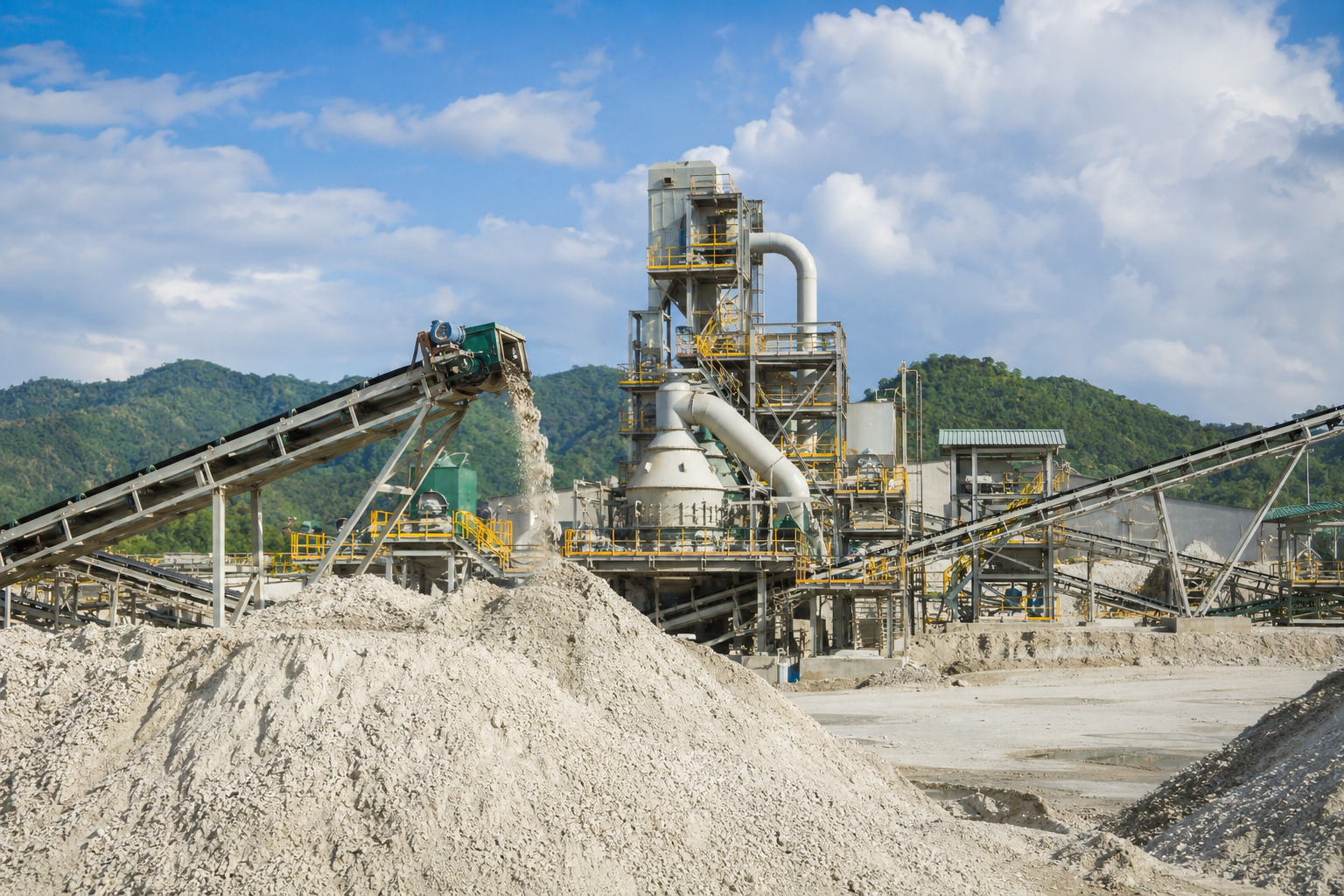
When you run an industrial operation in the United States, your supply chain is your lifeline. If your raw materials fail to arrive on schedule, or if the quality of your inputs fluctuates from one shipment to the next, your entire production line grinds to a halt. For industries that rely heavily on bulk industrial minerals—such as civil engineering, geotechnical sealing, foundries, oil drilling, and water purification—finding a reliable, high-performing clay is paramount. But today, reliability alone isn't enough. Procurement managers, plant directors, and sustainability officers face mounting pressure to ensure that every single ton of material entering their facility is sourced responsibly.
Sustainability is no longer a corporate buzzword or a secondary consideration tucked away in an annual CSR report. It is an operational necessity driven by tightening environmental regulations, corporate ESG targets, and consumer demand for cleaner supply chains. At the center of this transformation lies bentonite—a versatile, highly absorbent, and swelling aluminum phyllosilicate clay that plays an indispensable role in modern industrial applications. From sealing hazardous waste containment ponds to acting as a vital binder in foundry molds and a key viscosity modifier in drilling muds, bentonite is everywhere.
However, sourcing bulk industrial bentonite sustainably while maintaining cost-efficiency and supply chain resilience presents a unique set of challenges. How do you balance the heavy carbon footprint of international logistics with the need for high-grade reserves? How do mining operations minimize ecological disruption while scaling up to meet massive industrial demand? And what trends should US buyers look for when choosing a global mineral supplier?
Let us dive deep into the evolving trends shaping the global and US markets for bulk industrial bentonite, exploring how responsible mining, advanced processing techniques, and transparent supply chains are redefining the future of mineral procurement.
To understand where the supply chain is heading, we first need to look at where the demand originates. In the United States, industrial consumption of bentonite remains robust across several key sectors. Understanding these applications helps procurement teams appreciate why specific grades of bentonite—particularly high-swelling sodium bentonite—command such strict specifications.
When municipal authorities or private developers construct landfills, wastewater treatment lagoons, or stormwater retention ponds, they cannot afford leaks. Geosynthetic clay liners (GCLs) and compacted clay liners rely almost exclusively on high-swelling sodium bentonite. When hydrated, sodium bentonite particles expand dramatically, forming an impermeable hydraulic barrier that locks in moisture and prevents leachate from contaminating surrounding groundwater tables. As US infrastructure spending targets modernization and stricter environmental protection laws come into effect, the demand for reliable, high-swelling sealing clay continues to climb.
In drilling operations, bentonite serves as the primary component of drilling muds. It cools the drill bit, suspends rock cuttings, and stabilizes borehole walls against collapse. While synthetic polymers have entered the market, natural bentonite remains the gold standard due to its cost-effectiveness, thixotropic properties, and ability to form a low-permeability filter cake. US drilling operators require bulk shipments that maintain consistent viscosity and yield point, batch after batch.
Metal casting facilities use bentonite as a binder for green sand molds. When mixed with sand and water, bentonite imparts the necessary green strength, plasticity, and thermal stability required to withstand molten metal pouring. Consistency is everything here; a slight variation in moisture absorption or bonding strength can lead to casting defects, scrapped parts, and wasted energy.
Beyond containment, bentonite's high cation exchange capacity and absorption properties make it an exceptional agent for clarifying water, removing heavy metals, and treating industrial effluents. As environmental regulations surrounding industrial discharge become stricter, manufacturing plants are integrating bentonite into their closed-loop water treatment systems.
For decades, the mining and minerals sector operated under a simple mandate: extract the resource at the lowest possible cost. Environmental restoration and community engagement were often treated as afterthoughts. Today, that old-school playbook is obsolete.
Sustainable mineral sourcing starts at the very beginning of the supply chain—the mine site. Industrial buyers are increasingly auditing their upstream suppliers, demanding transparency regarding how raw clay deposits are managed. This shift is reshaping how leading global producers operate.
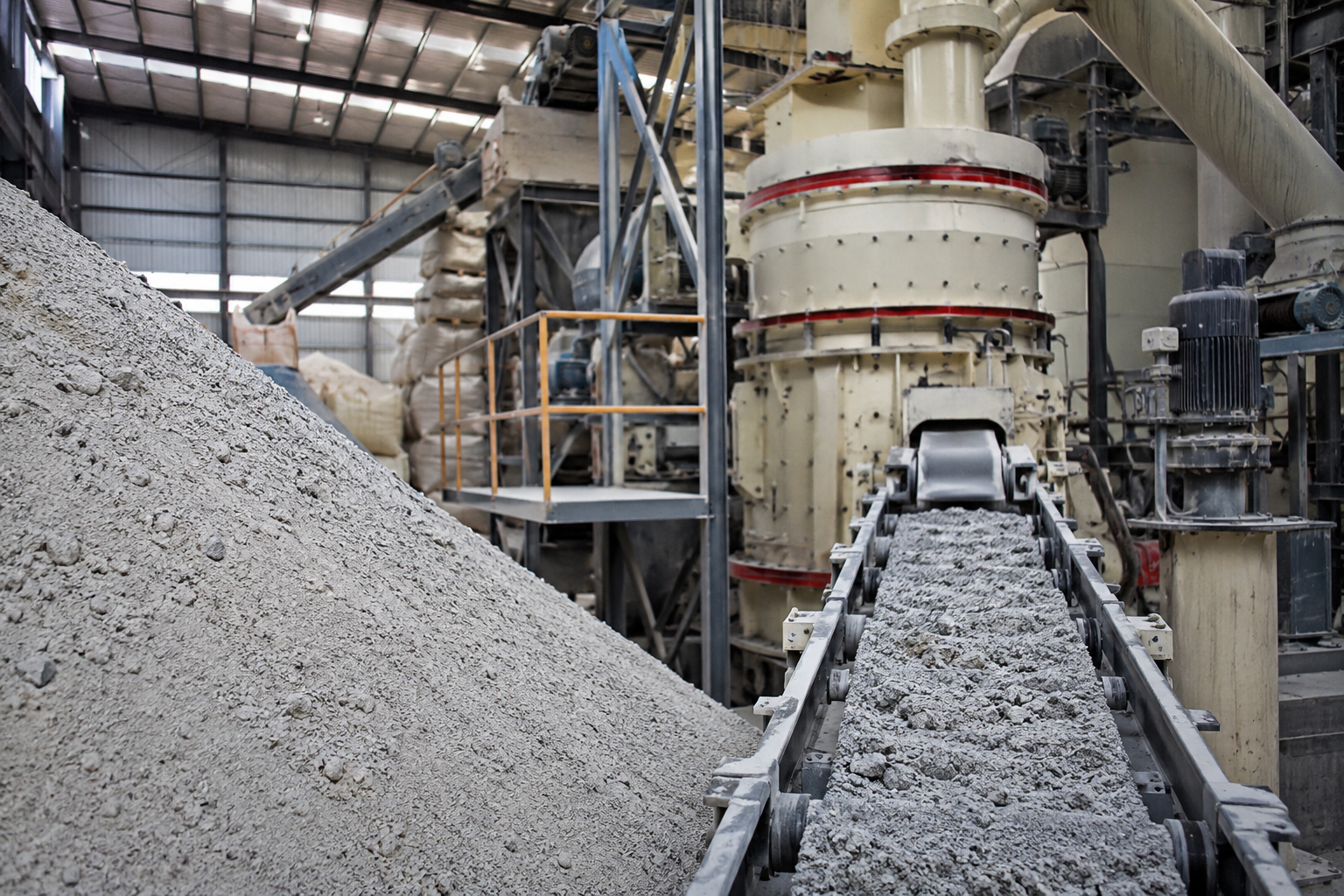
Extracting bulk bentonite requires surface mining techniques, which inherently disturb the topsoil and local topography. Modern sustainable mining practices focus heavily on progressive land reclamation. Rather than leaving scarred earth long after a deposit is depleted, responsible mine owners implement concurrent reclamation plans. Topsoil is carefully stripped, stored, and reapplied to mined-out areas, followed by the reseeding of native vegetation to restore local biodiversity.
Furthermore, forward-thinking extraction sites optimize pit geometry and overburden management to minimize fuel consumption and carbon emissions from heavy machinery. By leveraging GPS-guided excavation and fleet telemetry, operations can reduce idle times and optimize hauling routes, directly cutting down the carbon intensity per ton of extracted clay.
Raw bentonite often requires drying, crushing, and beneficiation to meet exact industrial specifications. Traditional processing plants can consume significant amounts of water and energy. Leading producers are investing in closed-loop water recycling systems, dry-processing techniques where feasible, and energy-efficient rotary dryers powered by alternative fuels or biomass. These upgrades significantly lower the environmental footprint of the final product before it even leaves the plant gate.
Gone are the days when a factory would accept a generic, run-of-the-mine clay and hope for the best. Modern industrial processes demand precision. If you are producing high-performance cosmetics, specialized ceramics, or critical geotechnical seals, a one-size-fits-all approach to mineral procurement will result in operational failure.
Advanced R&D and cutting-edge technology have transformed bentonite processing into a high-precision science. Producers are utilizing sophisticated air classification and fine-grinding mills to control particle size distributions with incredible accuracy. Tight particle size control directly impacts rheological behavior, swelling capacity, and gel strength.
For instance, sodium bentonite processed with advanced activation techniques exhibits superior swelling capacity and liquid limit values. When US engineering firms specify bulk sodium bentonite, they look for guaranteed methylene blue adsorption (MBA) values, free-swell indices, and moisture content thresholds. Suppliers who invest in rigorous in-house quality control laboratories—testing every batch for mineralogical purity—are capturing the lion's share of the market.
Different industries require different attributes. While a drilling operation needs high viscosity and fluid loss control, a foundry needs rapid green strength development. Rather than shipping raw clay and expecting the end-user to figure out additives, progressive suppliers offer pre-blended, application-specific bentonite formulations. This reduces processing steps on the client's end, minimizes dust in the plant environment, and ensures optimal performance right out of the bulk bag.
Recent global disruptions have taught industrial procurement teams a harsh lesson: relying on a single geographic source or a fragile logistics route is a massive operational risk. Geopolitical tensions, port congestion, container shortages, and unexpected weather events can paralyze supply lines overnight.
Consequently, supply chain diversification has become a central strategic pillar for US manufacturers.
Historically, many US buyers sourced their bentonite locally or from a handful of domestic pits. However, with massive global reserves concentrated in specific regions—such as India, which boasts some of the world's largest high-grade bentonite deposits—forward-thinking companies are diversifying their supplier base. Partnering with established international mine owners and exporters who possess decades of expertise ensures a steady, uninterrupted flow of material, even if domestic supply constraints occur.
Resilience isn't just about where you buy; it's about how much buffer you maintain. Leading bulk suppliers are working hand-in-hand with US industrial clients to establish vendor-managed inventory (VMI) hubs and regional stockpiles. By keeping strategic buffers of bulk industrial bentonite near major industrial corridors, suppliers can absorb short-term shipping spikes or sudden surges in production demand without missing a beat.
Transporting thousands of tons of heavy clay across oceans and continents generates a substantial carbon footprint. As scope 3 emissions accounting becomes mandatory for major US corporations, logistics decarbonization has emerged as a critical trend in mineral supply chain management.
Shipping minerals in inefficient packaging wastes space and increases fuel consumption. Modern bulk suppliers offer flexible packaging options designed to maximize payload efficiency—ranging from 1-metric-ton bulk jumbo bags (FIBCs) to pneumatic tanker trucks and dry bulk container liners for ocean freight. Maximizing cargo weight per shipment minimizes the total number of trips required, slashing the carbon emissions associated with transit.
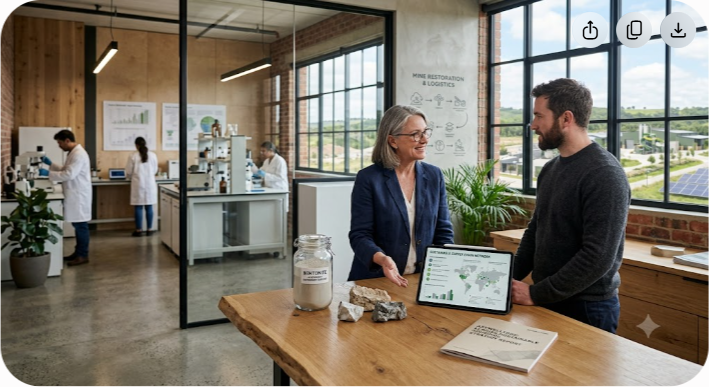
Forward-thinking exporters are aligning their logistics networks with carriers that invest in vessel efficiency, slow-steaming protocols, alternative marine fuels (such as LNG or green methanol), and optimized routing. Furthermore, intermodal transport strategies—combining fuel-efficient rail freight for long-distance domestic US hauling with short-sea shipping—help drastically reduce the greenhouse gas intensity of inland distribution.
In the past, buying bulk minerals felt like a black box. You placed an order, a ship arrived weeks later, and you tested the material when it hit your warehouse floor. Today's digital supply chains demand real-time visibility from the mine face to the factory floor.
Industrial buyers want digital certificates of analysis (COAs) accessible via cloud portals, GPS tracking on bulk shipments, and verified provenance data. Knowing exactly which mining pit a batch of bentonite originated from, when it was processed, and how it was transported gives quality control teams peace of mind.
This level of transparency also simplifies compliance. When regulatory bodies or independent auditors request proof of responsible sourcing and environmental compliance, procurement managers can instantly pull documentation showing that their raw materials met strict ecological and labor standards.
Navigating these complex supply chain trends requires a partner who combines vast natural reserves with technical expertise, stringent quality control, and an unwavering commitment to sustainability. This is where Axewelledge stands apart in the global mineral landscape.
As India's largest mine owner and exporter of bentonite—and ranking proudly among the top five global producers—Axewelledge manages over 60 million tons of high-quality reserves. These strategically located mineral deposits form the bedrock of our operations, ensuring a steady, long-term, and sustainable supply for industrial clients across the globe, including key markets in the Middle East, Southeast Asia, and expanding networks supporting US industries.
With more than 15 years of industry expertise, we have perfected the art and science of mineral processing. Our advanced refinement techniques ensure maximum purity, exceptional swelling capacity, high water absorption, and superior sealing properties. Whether you need specialized sodium bentonite for oil drilling, wastewater treatment, industrial sealing, foundry applications, or animal feed, our products deliver consistent, long-lasting efficiency.
We believe that industrial strength and environmental stewardship must go hand in hand. Our strategically located processing plants integrate cutting-edge technology, efficient logistics, and rigorous R&D to minimize waste and reduce our carbon footprint. By leveraging advanced activation and milling techniques, we ensure our bentonite meets international quality standards while remaining a natural, eco-friendly choice for modern manufacturing.
Reliability is built on teamwork, transparent communication, and timely deliveries. Trusted by over 100 clients worldwide, Axewelledge bridges the gap between massive natural reserves and demanding industrial applications. When you partner with us, you aren't just buying clay; you are securing a resilient, responsible, and forward-thinking mineral supply chain tailored to your operational needs.
If you are a purchasing manager or supply chain director looking to optimize your industrial bentonite procurement strategy in the current market, consider implementing the following actionable steps:
While unit cost is always important, a cheap mineral that fails quality tests or arrives late will cost your business far more in downtime and rejected batches. Evaluate suppliers based on total cost of ownership, consistency, technical support, and reliability.
Never rely on generic descriptions like 'sodium bentonite.' Always demand detailed lab reports showing swelling index, fluid loss, MBA values, and pH levels. Ensure the supplier's testing protocols align with your specific industrial application standards.
In a volatile global market, transactional buying leaves you vulnerable to price shocks and shortages. Forge direct relationships with major mine owners and primary producers like Axewelledge. Long-term contracts paired with regular demand forecasting ensure priority allocation and stable pricing.
Include environmental and social criteria in your Requests for Proposals (RFPs). Ask potential suppliers about their land reclamation practices, water recycling methods, and carbon reduction initiatives in logistics. Aligning with sustainable suppliers protects your brand reputation and prepares your business for upcoming regulatory changes.
The industrial mineral landscape is undergoing a permanent transformation. Sustainable sourcing, advanced processing, transparent supply chains, and diversified logistics are no longer optional extras—they are the core pillars of competitive manufacturing.
By understanding these trends and partnering with established, responsible global producers who control their own reserves and maintain rigorous quality standards, US industrial operations can secure the high-performance materials they need while safeguarding the planet. Whether you are sealing a sprawling environmental containment facility, formulating drilling fluids, or casting complex metal components, the right bentonite supply chain is your strongest foundation for success.













Have questions about our products? We're here to help!